This Kathmandu 2 day tour takes you to all seven UNESCO monument zones over two days of 6 to 7 hours each. It’s the same list of sites as the one-day version, split so each one gets real time and you eat a proper lunch.
Is two days enough for all seven UNESCO sites?
Two days is enough to see all seven UNESCO sites at a steady pace, though you still won’t exhaust any of them. Most stops get about an hour, and the bigger towns get more.
A comparable one-day itinerary allows about 5 hours 25 minutes on site. This plan gives you about 8 hours on site in total, including lunch at Bhaktapur. For a wider look at how to spend the time, see 2 days in Kathmandu.
Why is the Kathmandu 2 day tour split this way?
The tour splits the valley by geography, with west and centre on Day 1 and east on Day 2. That keeps you from crossing the city twice in one day.
Day 1 stays close to the centre. On the map, Swayambhunath, the Kathmandu square and Patan all lie within about 6 km. Day 2 starts at Pashupatinath and Boudhanath, about 2.8 km apart by road, then heads out to Changu Narayan and Bhaktapur. Rome2Rio lists about 6.6 km by road between those two.
What will you see on Day 1?
Day 1 covers the Swayambhunath hill and two of the three old royal squares.
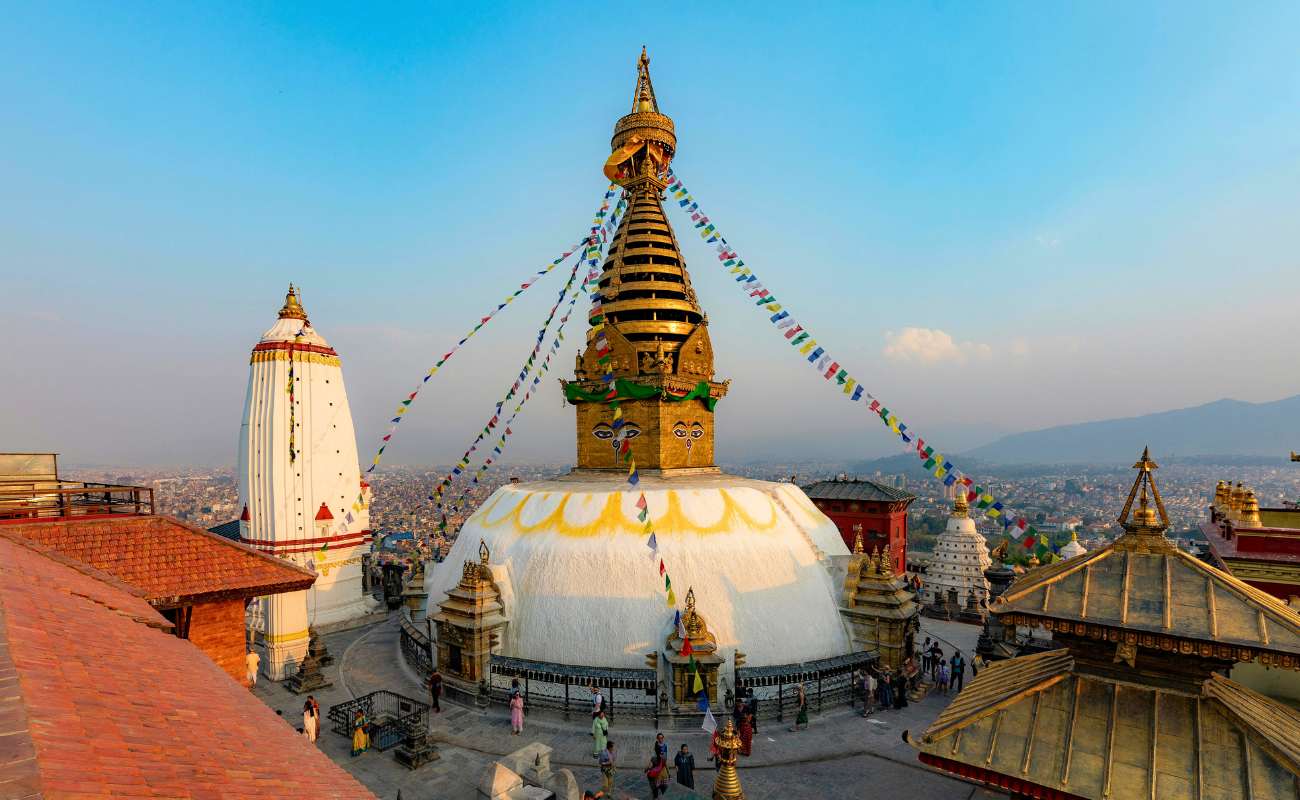
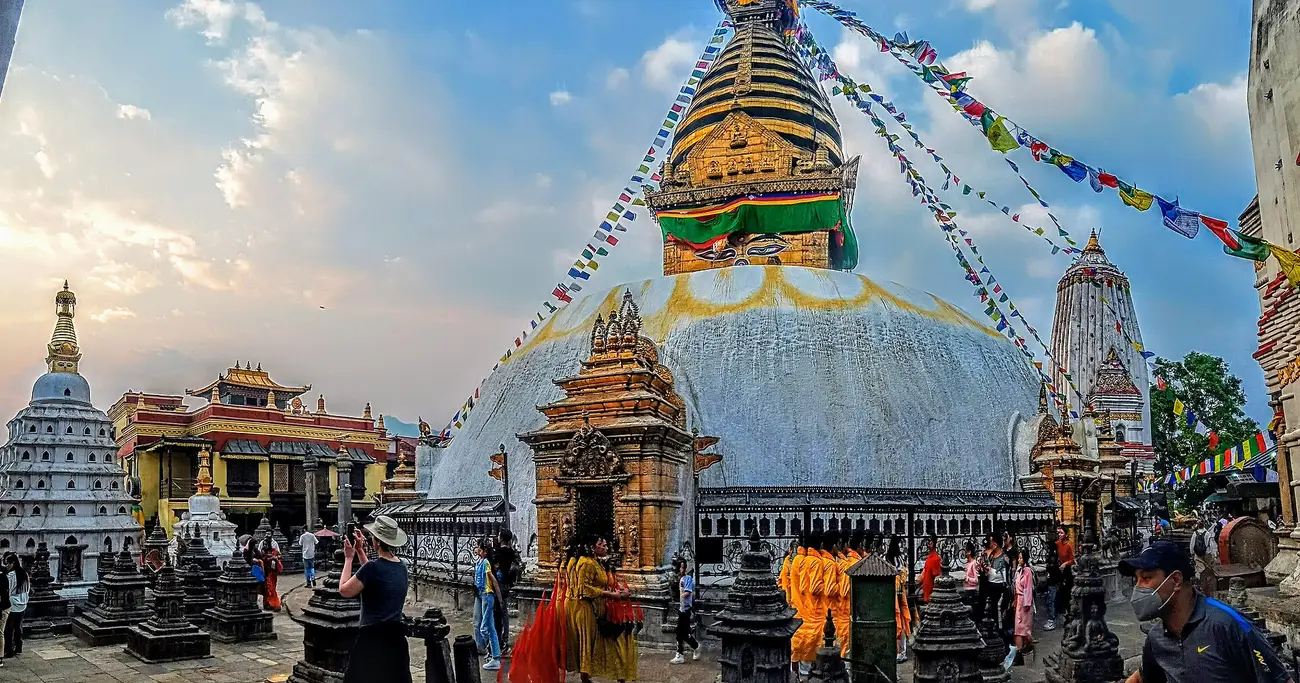
- Swayambhunath: take your time on top, with the painted eyes, the vajra at the head of the stairs and the temple of Hariti. A road reaches the top, so the long stairway is your choice.
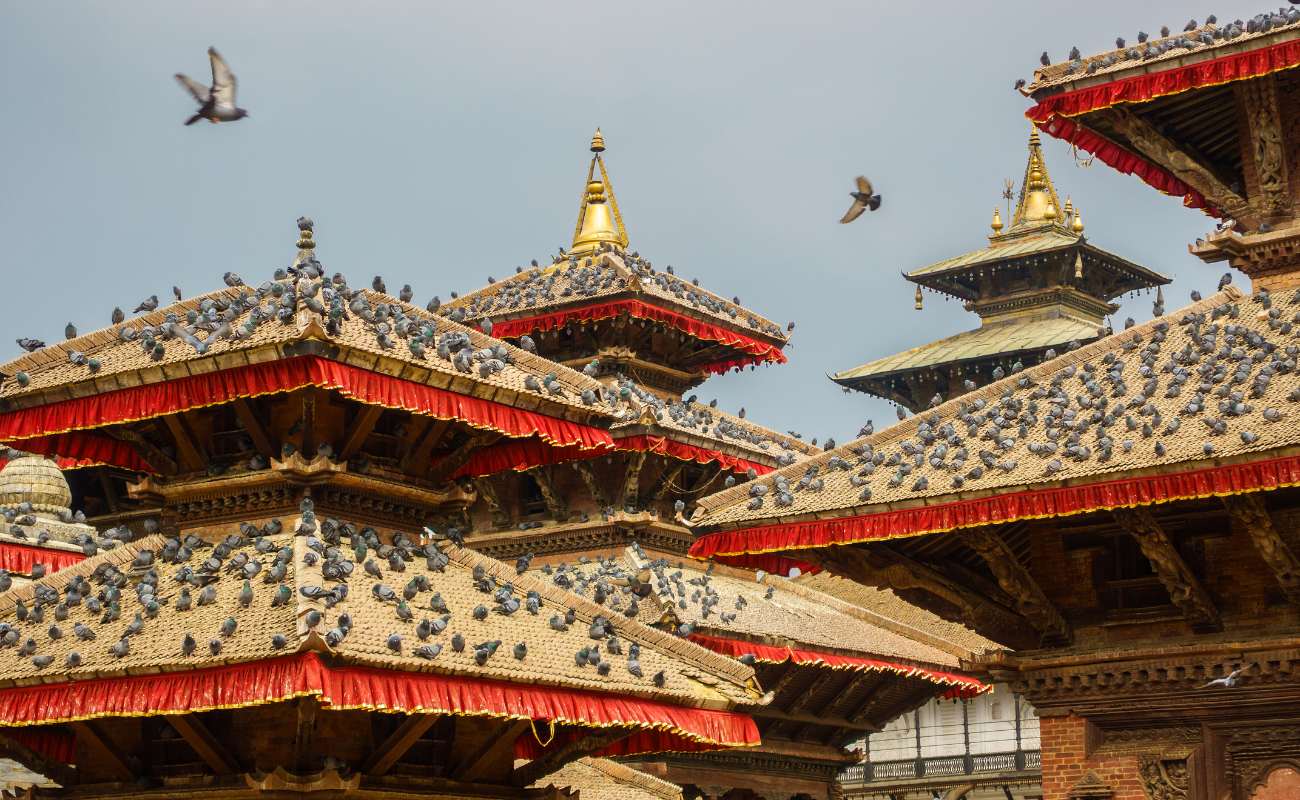
- Kathmandu square: Hanuman Dhoka, the former palace, has courtyards including Nasal Chowk, and the fee includes the Tribhuvan Museum. Repair work may be visible.
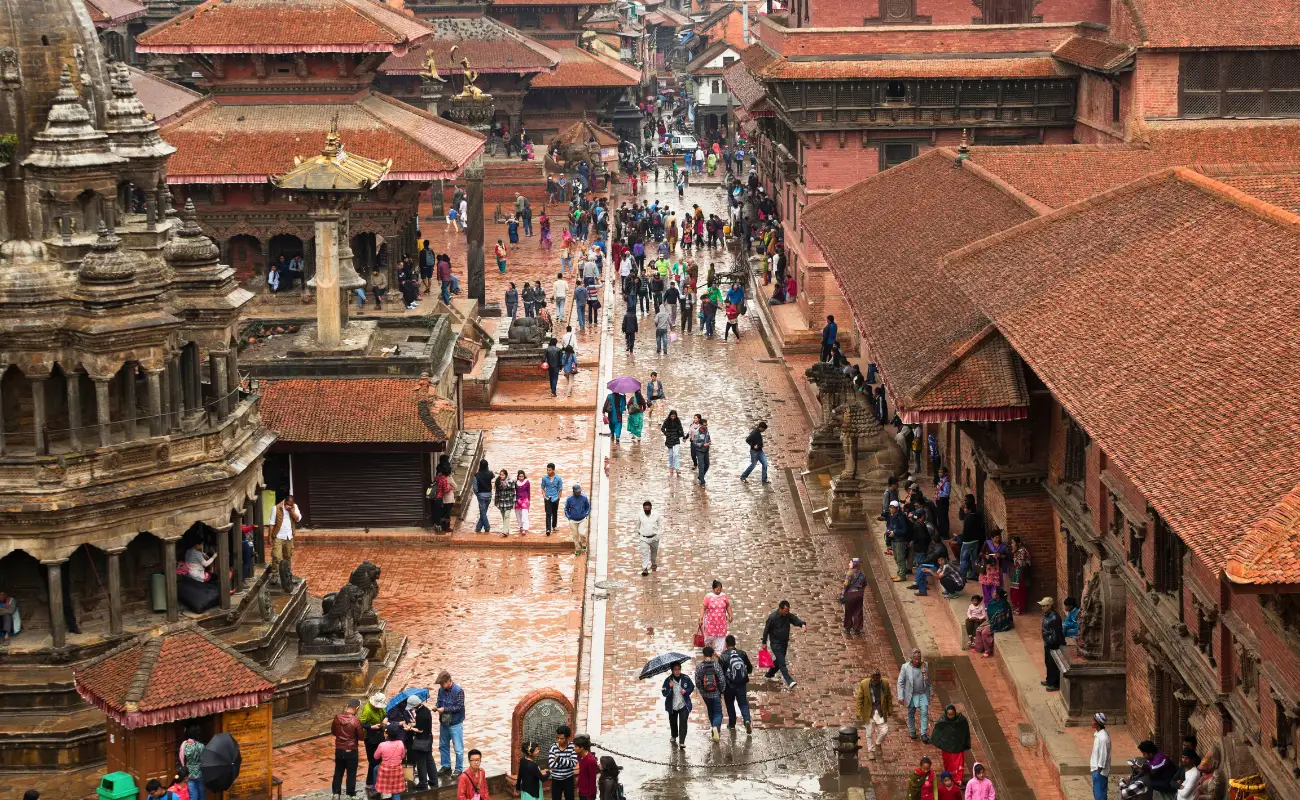
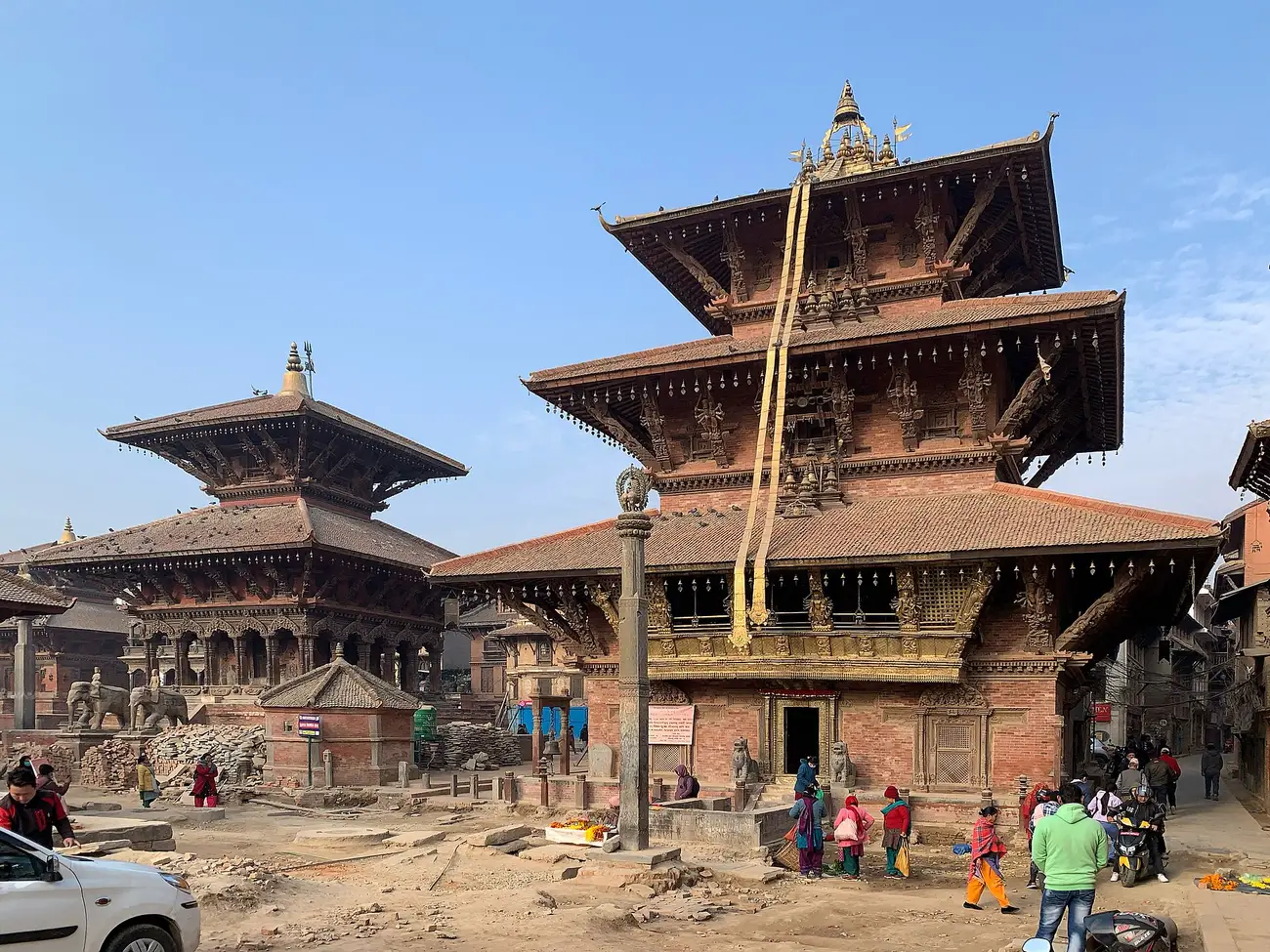
- Patan: temples fill the square, including the 17th-century Krishna Mandir with its 21 golden pinnacles and the Bhimsen Temple with its golden windows. You have time for the Patan Museum, which holds cast bronzes and gilt-copper work in a former palace courtyard. The fee covers it, according to the Nepal Tourism Board.
If you have energy left at Patan, the Golden Temple (also called Kwa Baha) is a Buddhist monastery with a gilded roof and a silver Buddha. One operator notes that its entry fee is separate and paid at the gate. You can read more in our Patan Durbar Square guide.
What will you see on Day 2?
Day 2 covers Pashupatinath, Boudhanath, Changu Narayan and Bhaktapur, and it is the fuller of the two days.
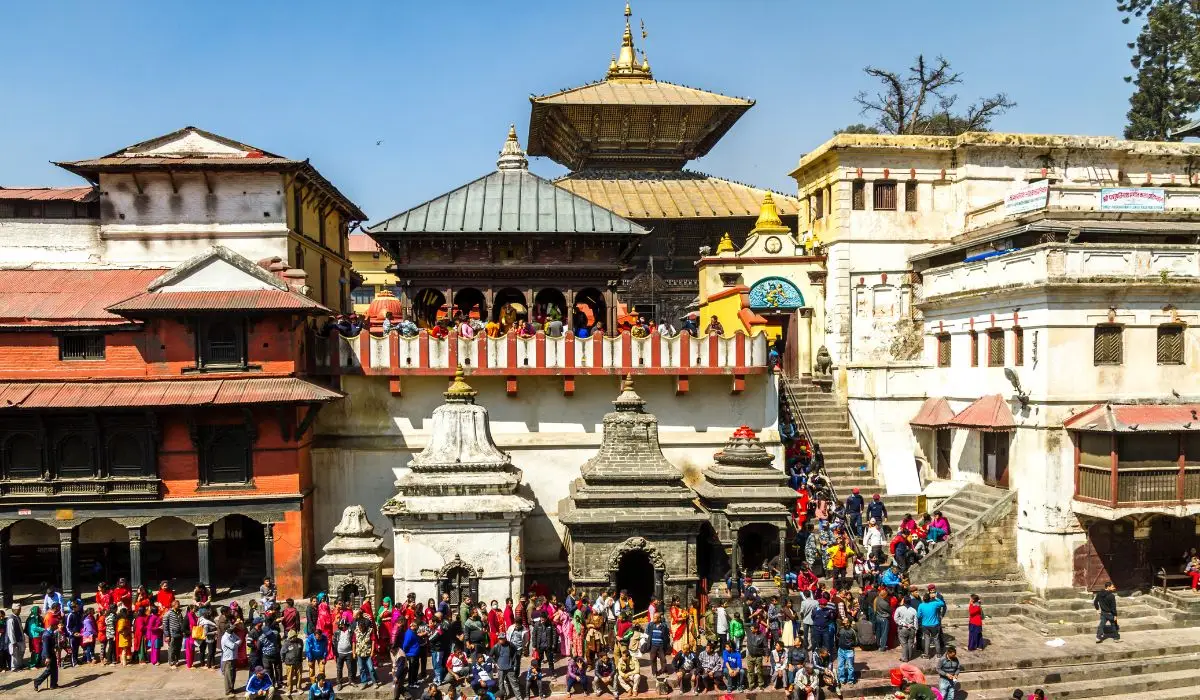
- Pashupatinath: the main temple is for Hindus only. Everyone else can walk the ghats and shrines, and watch respectfully from the opposite bank. See the Pashupatinath rules for non-Hindu visitors.
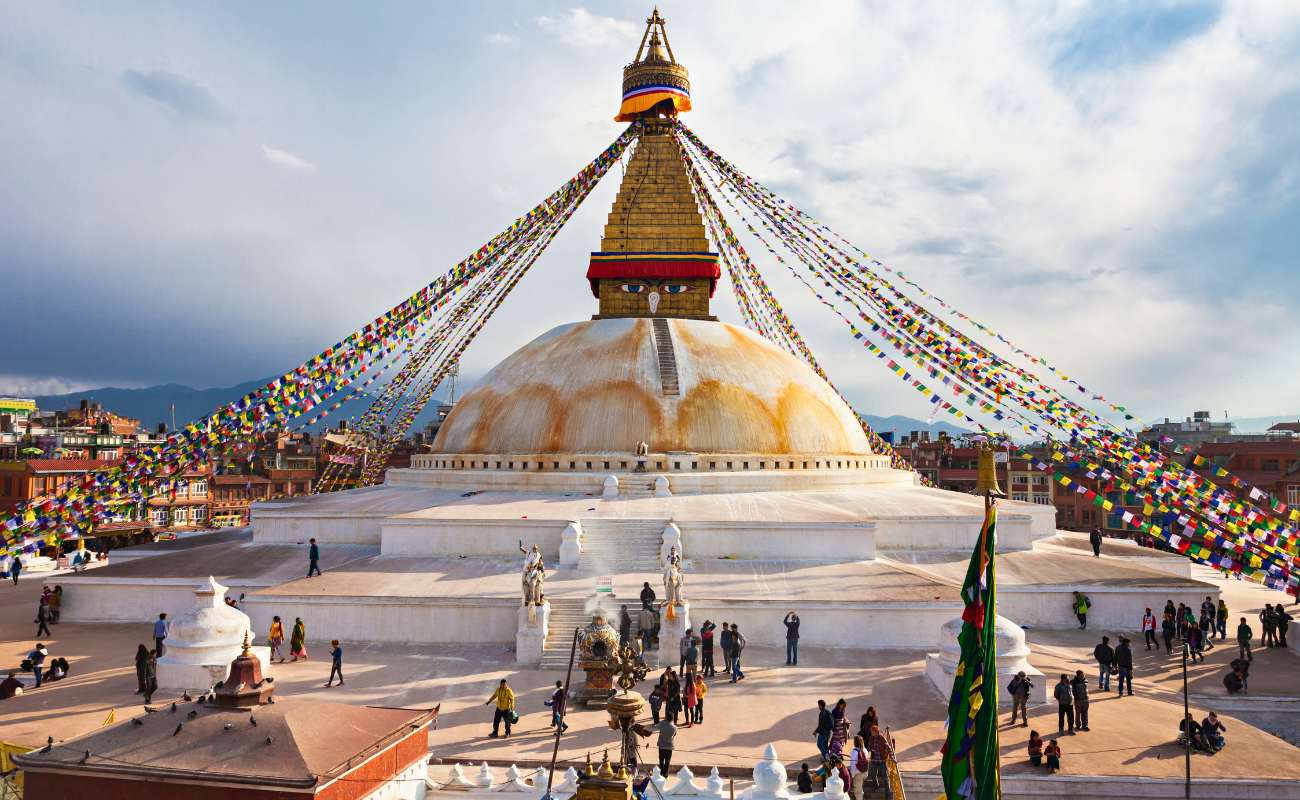
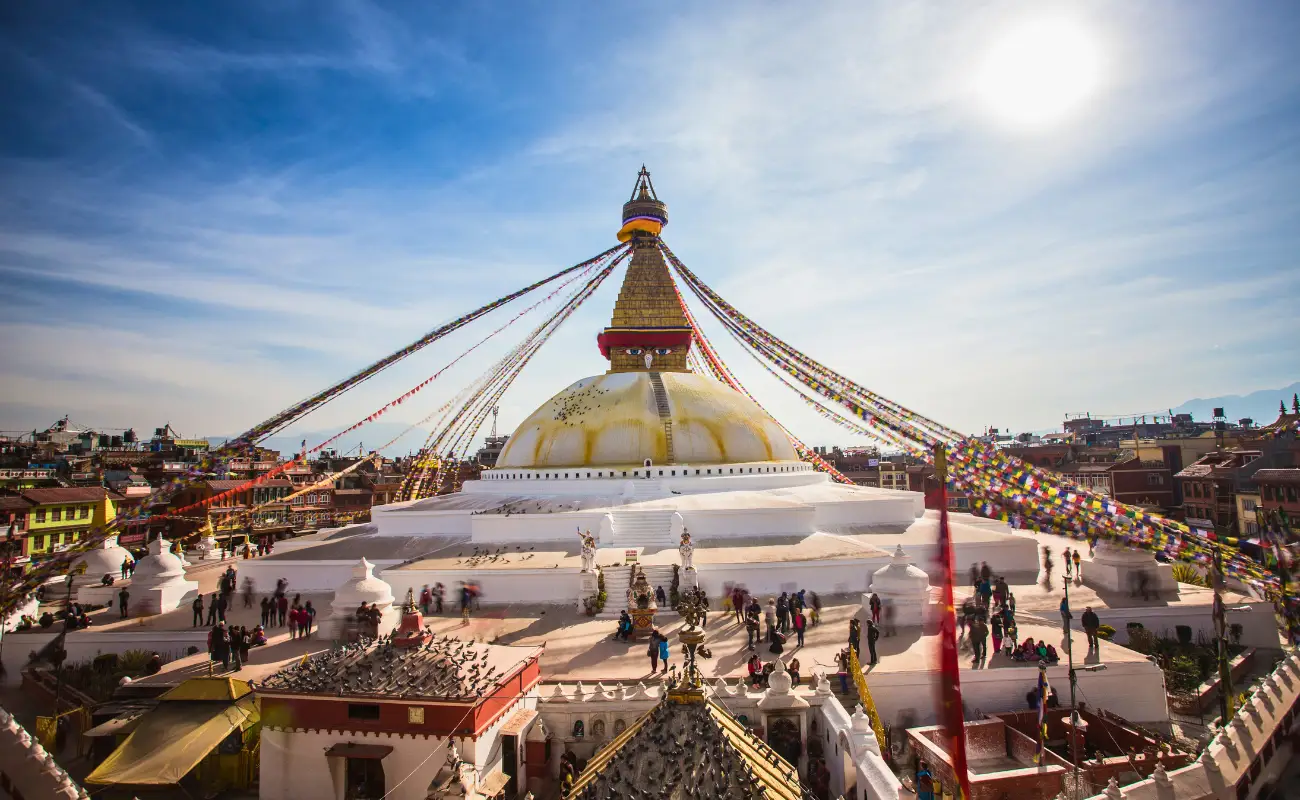
- Boudhanath: walk clockwise around the stupa with the morning crowd. Nepal Traveller says some devotees walk as many as 108 circuits each morning.
- Changu Narayan: a hilltop temple to Vishnu with stone sculptures in its courtyard and an inscription most sources date to 464 CE. The fee is NPR 300 for foreign visitors, as listed by the Nepal Tourism Board in November 2026, though one source gives NPR 400.
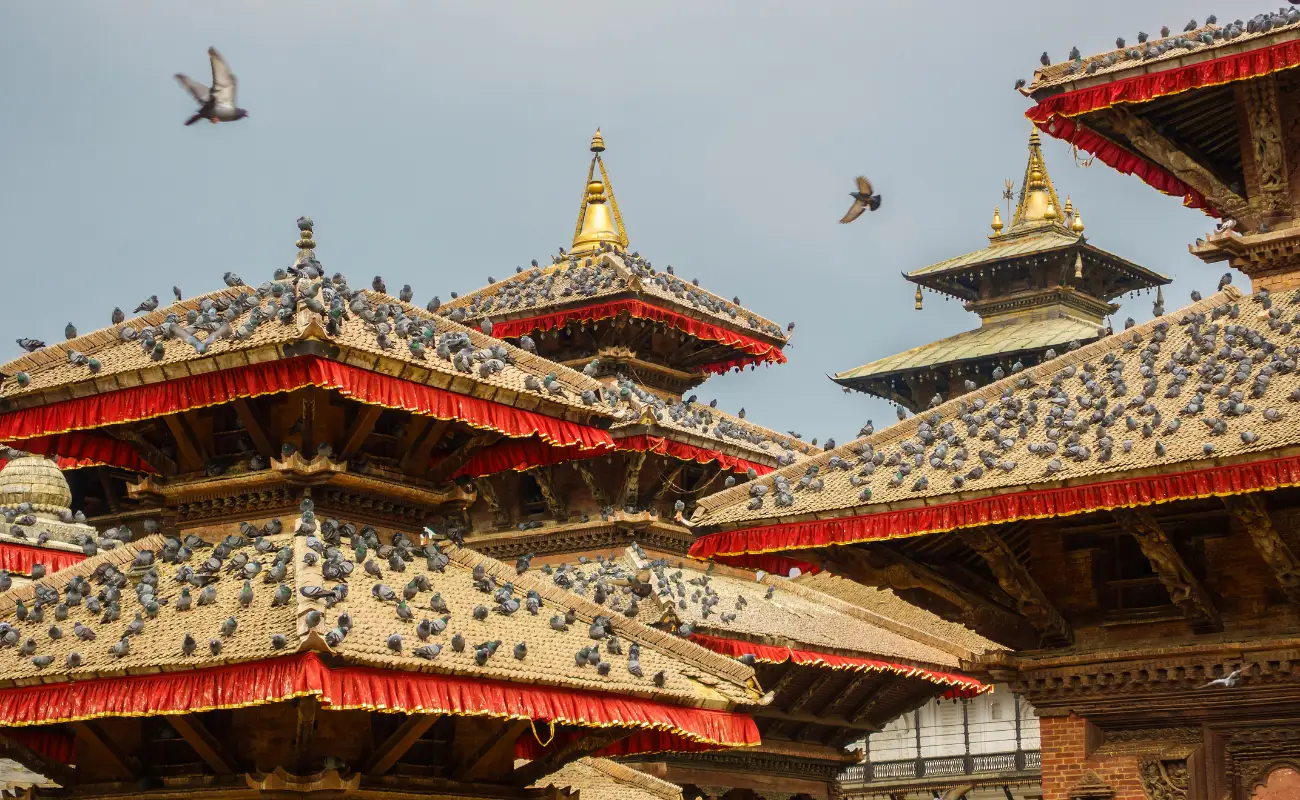
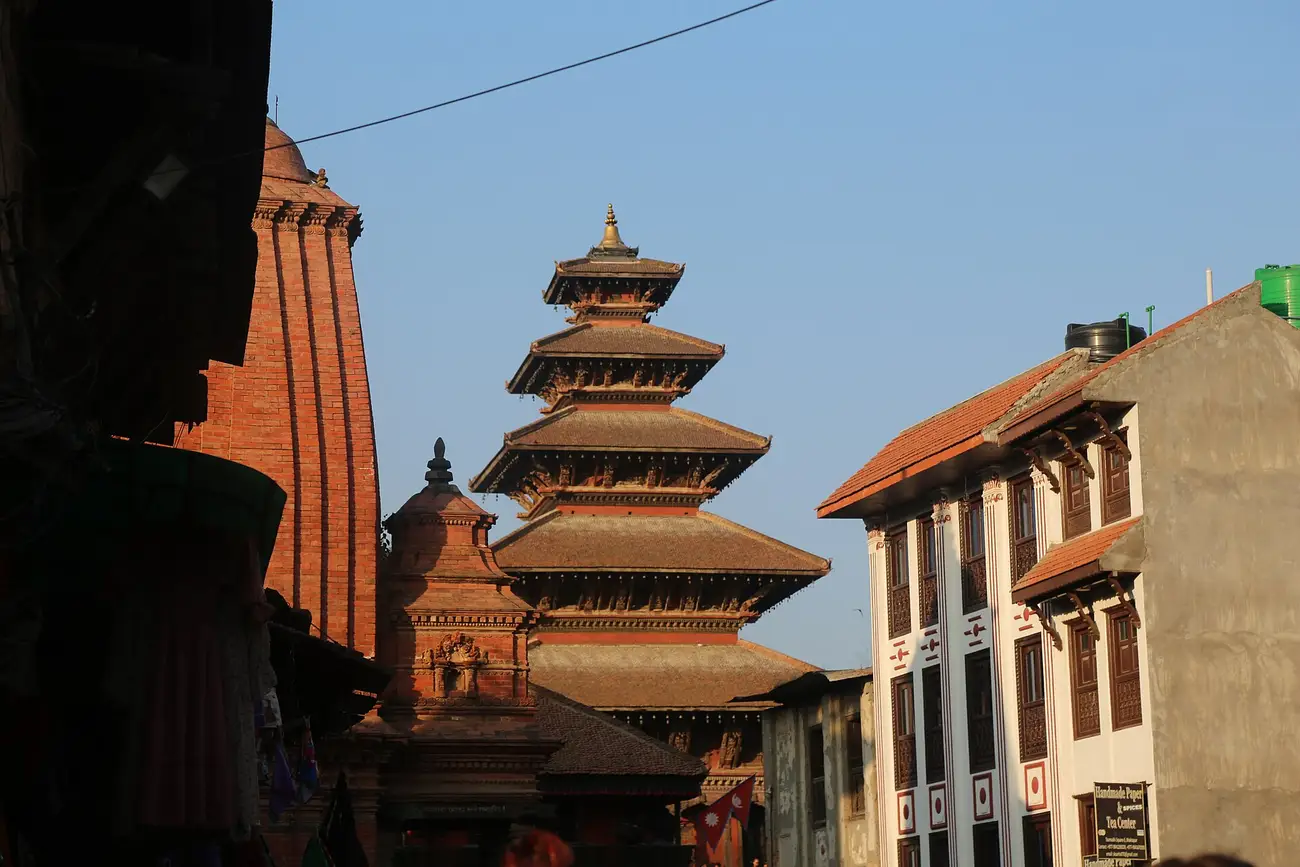
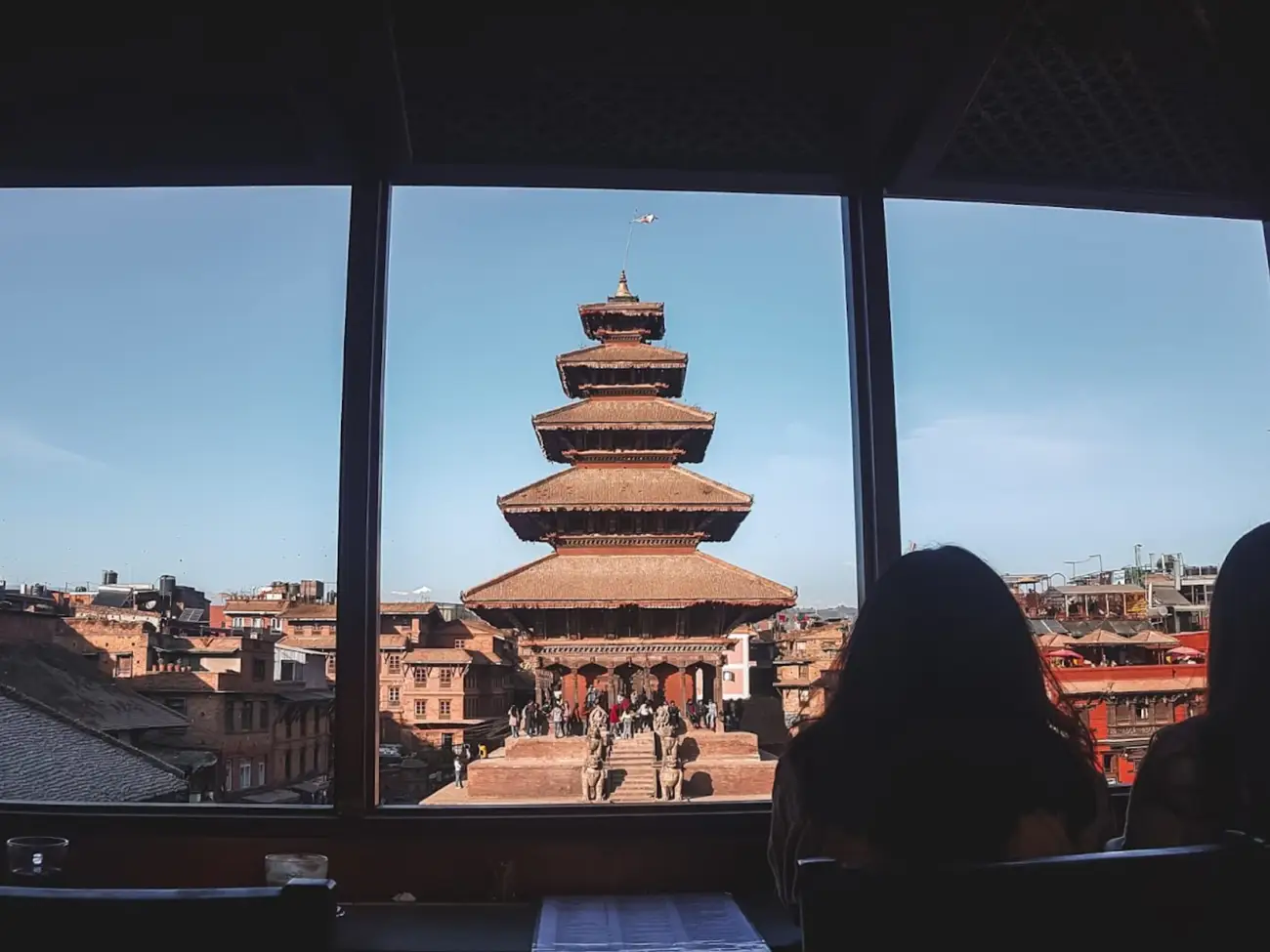
- Bhaktapur: the 55 Window Palace and Golden Gate are in the main square. Walk on to Taumadhi Square for Nyatapola, a five-tier temple of 30 to 33 metres depending on the source, and Dattatreya Square for the Peacock Window if time allows.
How does this compare with the one-day tour?
This tour gives you a lot more time at each site in exchange for a second day. Here’s how they differ at the three stops that suffer most on the fast version.
| Stop | One-day plan | This plan |
|---|---|---|
| Changu Narayan | 25 minutes | About 45 minutes |
| Boudhanath | 30 minutes | About 50 minutes |
| Patan | 60 minutes | About 1 hour 45 minutes |
Both versions cover the same seven sites and the same fees. If you truly have a single day, 7 UNESCO sites in one day still gets you there, but expect it to feel like a race.
Can you take the two days as a group?
Yes, and the group version runs on two consecutive days. It leaves Thamel at 9:00 am each day and costs less per person. You commit to both days in a row, with no gap between them, and the route, order and schedule are set. Hotel pick-up is a paid add-on. Group tours run from 2 guests. If you’re the only guest booked, we tell you at least 24 hours before, and you can choose another day, an upgrade to private at the private price, or a full refund of anything you’ve paid.
A private tour costs more, and it’s only your party, with hotel pick-up included. You choose the start time each day, and you can ask for a gap between the days. Older relatives or children may need that room, so private is often the better fit for them. Read more about private or group tours.
Where does lunch fall?
Lunch falls near the Kathmandu square on Day 1 and in Bhaktapur on Day 2. You pay for both, as lunch isn’t included.
Basantapur and Indra Chowk near the square sell Newar snacks such as chatamari and bara. Bhaktapur is the place to try juju dhau, a thick yoghurt from buffalo milk set in clay pots.
What can go wrong, and how does the day change?
Traffic can push your timings around, but a two-day plan absorbs that much better than a one-day plan. A slow morning costs a few minutes at a stop instead of a whole site.
- Day 2 traffic: the Kathmandu Post reported in June 2026 that a Ring Road section near UNESCO sites still had no finished design. That’s one reason the private plan starts Day 2 earlier.
- Rain: monsoon normally runs from June to October, according to the Foreign Office. Your guide can shift time towards covered courtyards and museums.
- Bhaktapur payment: one operator reports cash only at the gate. You pay for tickets yourself, so bring rupees.
- Festivals: festival days can close roads or fill the squares, so tell us your dates when you ask.
- Closures: the National Art Museum in Bhaktapur closes on Tuesdays, says the Nepal Tourism Board. It has its own fee.