This Kathmandu 7 UNESCO sites tour takes you to all seven monument zones of the valley in one day of 9 to 11 hours. We’ll say it plainly: this is a fast day, and you see each site quickly.
Can you see all seven UNESCO sites in one day?
Yes, you can see all seven UNESCO sites in one day, but it leaves you only about 5 hours 25 minutes on site. That figure comes from a comparable itinerary on Tripadvisor, and the rest of the 9 to 11 hours goes on driving, parking and a quick lunch.
If you have two days, all seven sites over two days is much easier. This is the choice for people who truly have just one day.
Why does the Kathmandu 7 UNESCO sites tour run in this order?
The route starts in the west, loops out to the far east, and comes back to finish near the airport. On the map, Swayambhunath and Kathmandu Durbar Square are about 2 km apart, and Patan is about 4 km further on.
Bhaktapur and Changu Narayan are the long leg, about 10 km from Patan to Bhaktapur in a straight line and more by road. Kimkim gives about 13 km and 30 to 60 minutes for that drive. Going east from Patan means you cross the valley only once each way, and the two final stops sit close together on the way back.
How long do you get at each stop?
You get between 25 and 90 minutes at each stop in the published plan we’re using as a guide. Here’s what that time is realistically good for.
| Stop | Time | What you can do in that time |
|---|---|---|
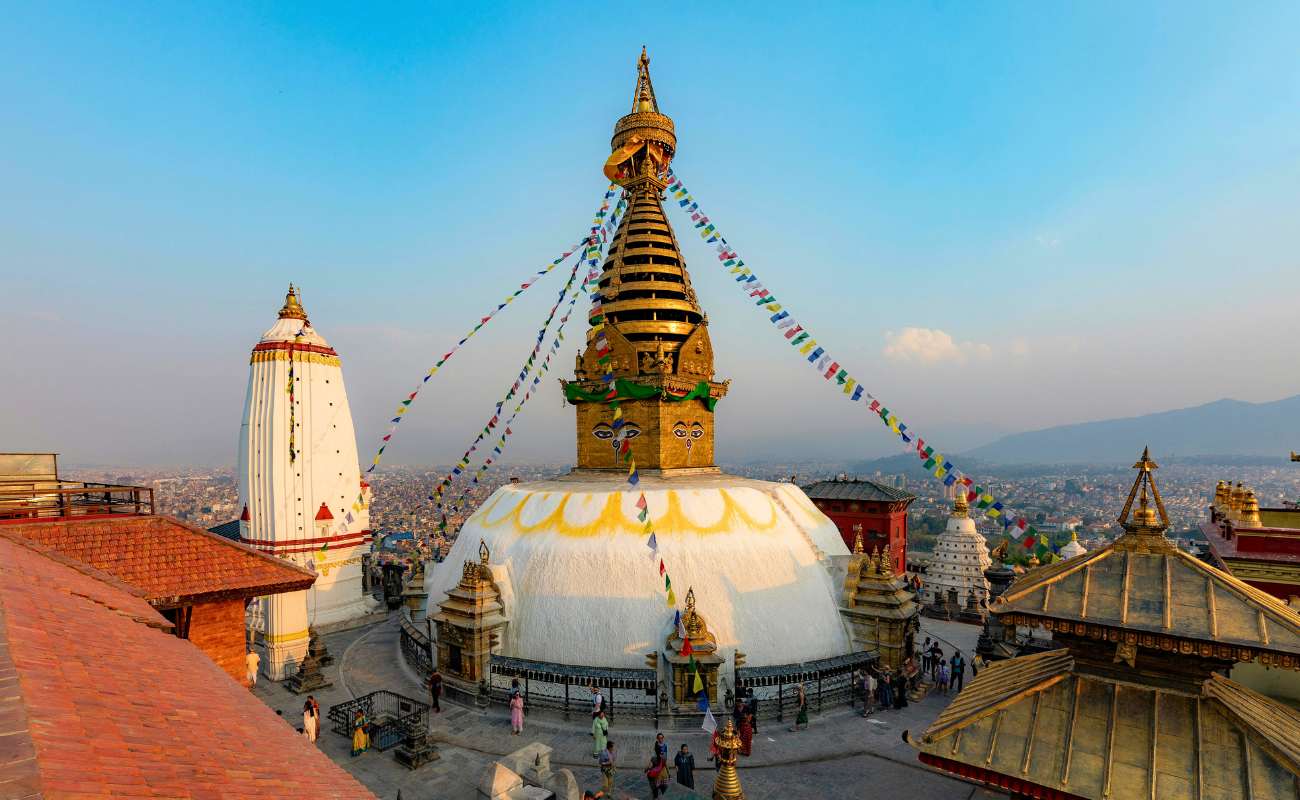
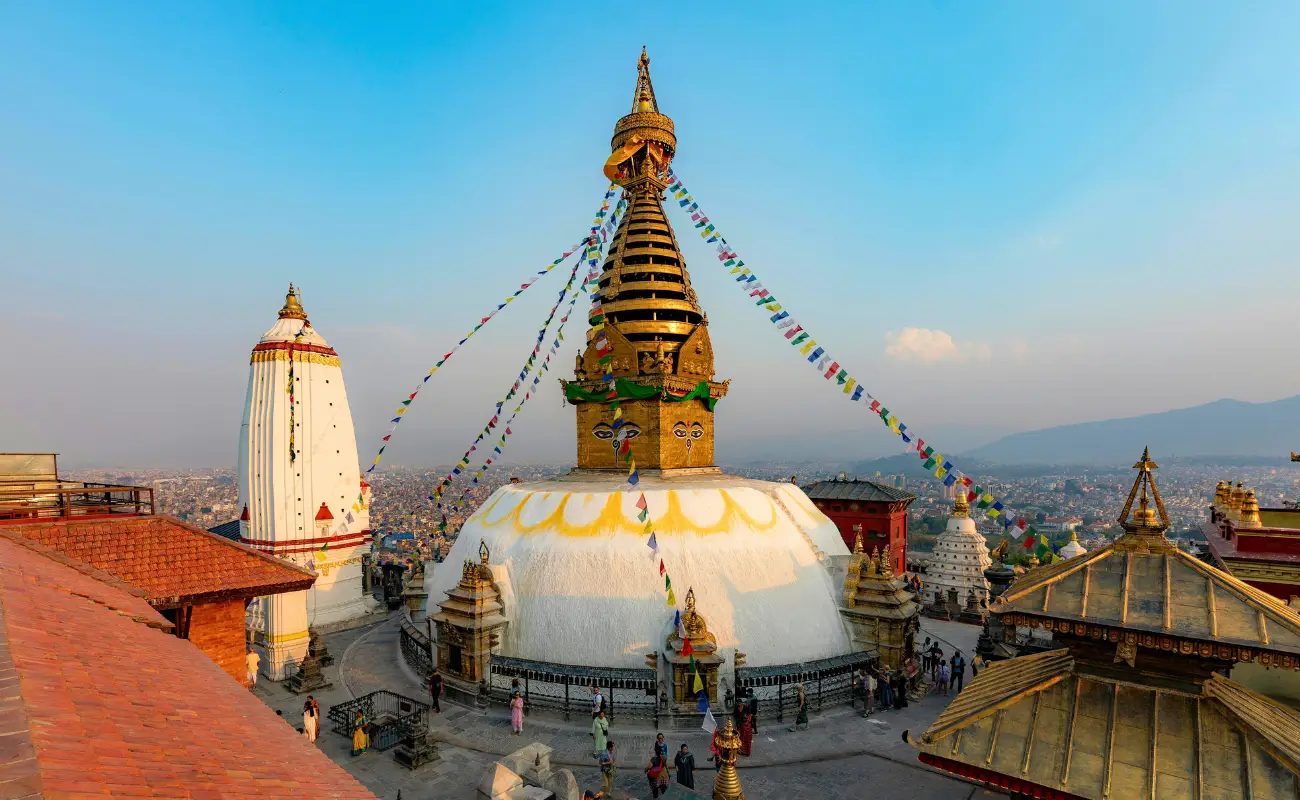
| Swayambhunath | 45 minutes | Walk the top of the hill, see the painted eyes and the view |
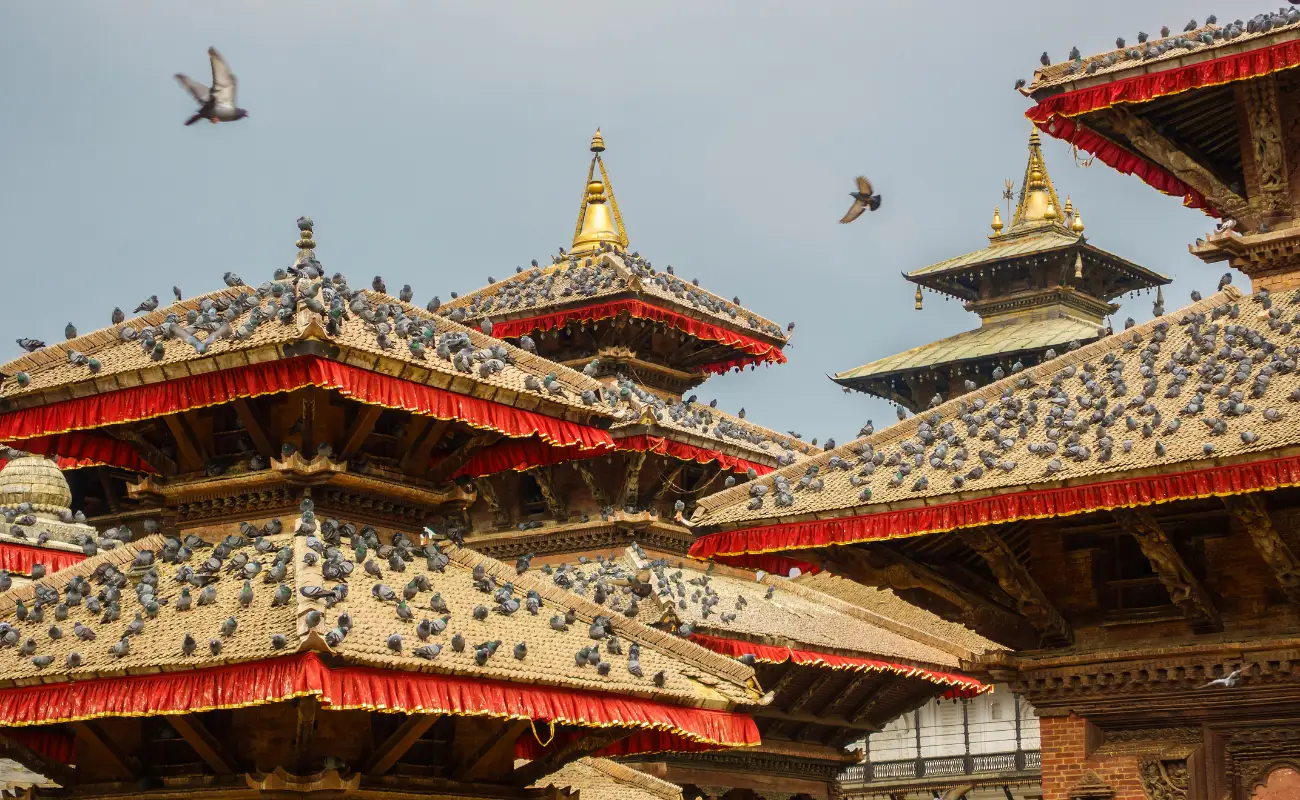
| Kathmandu Durbar Square | 45 minutes | Walk the square and Hanuman Dhoka’s gate, with little time for museums |
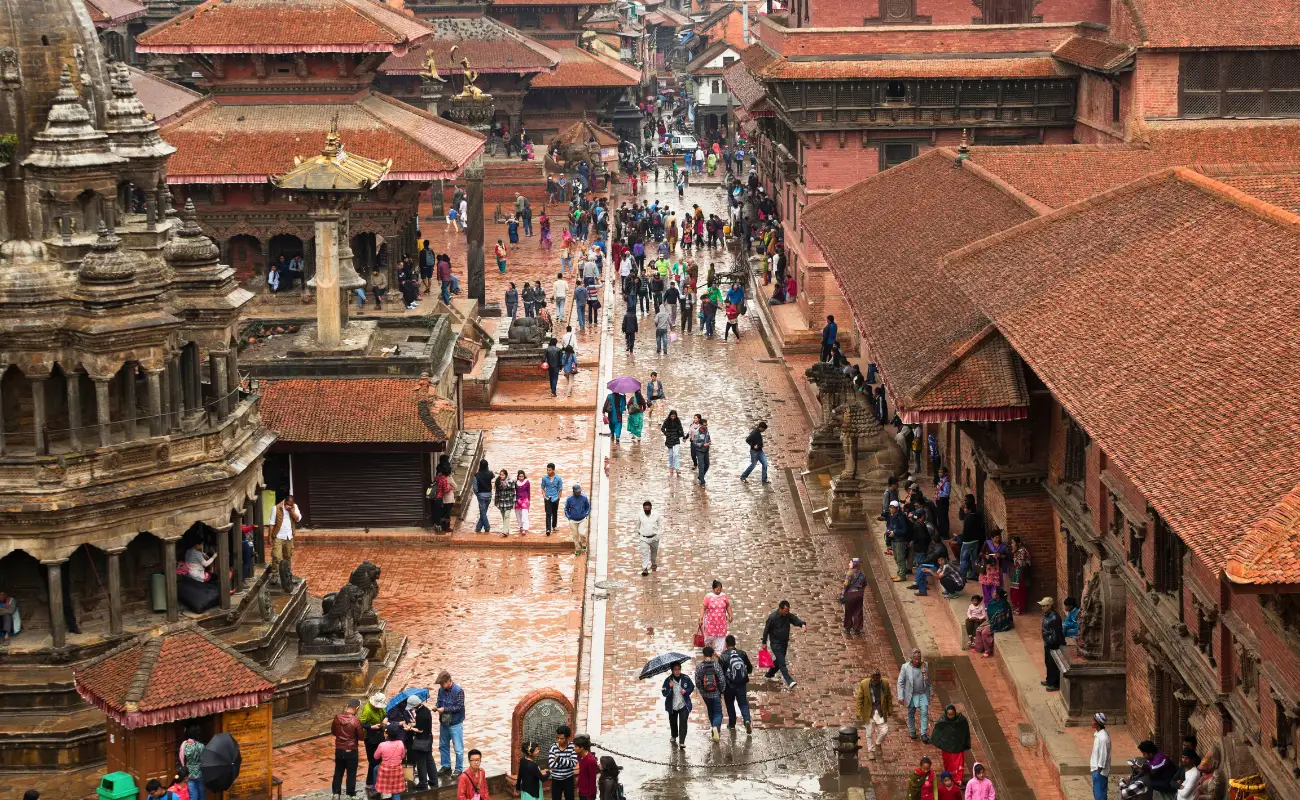
| Patan | 60 minutes | The temple row and one courtyard, or a fast look at the museum |
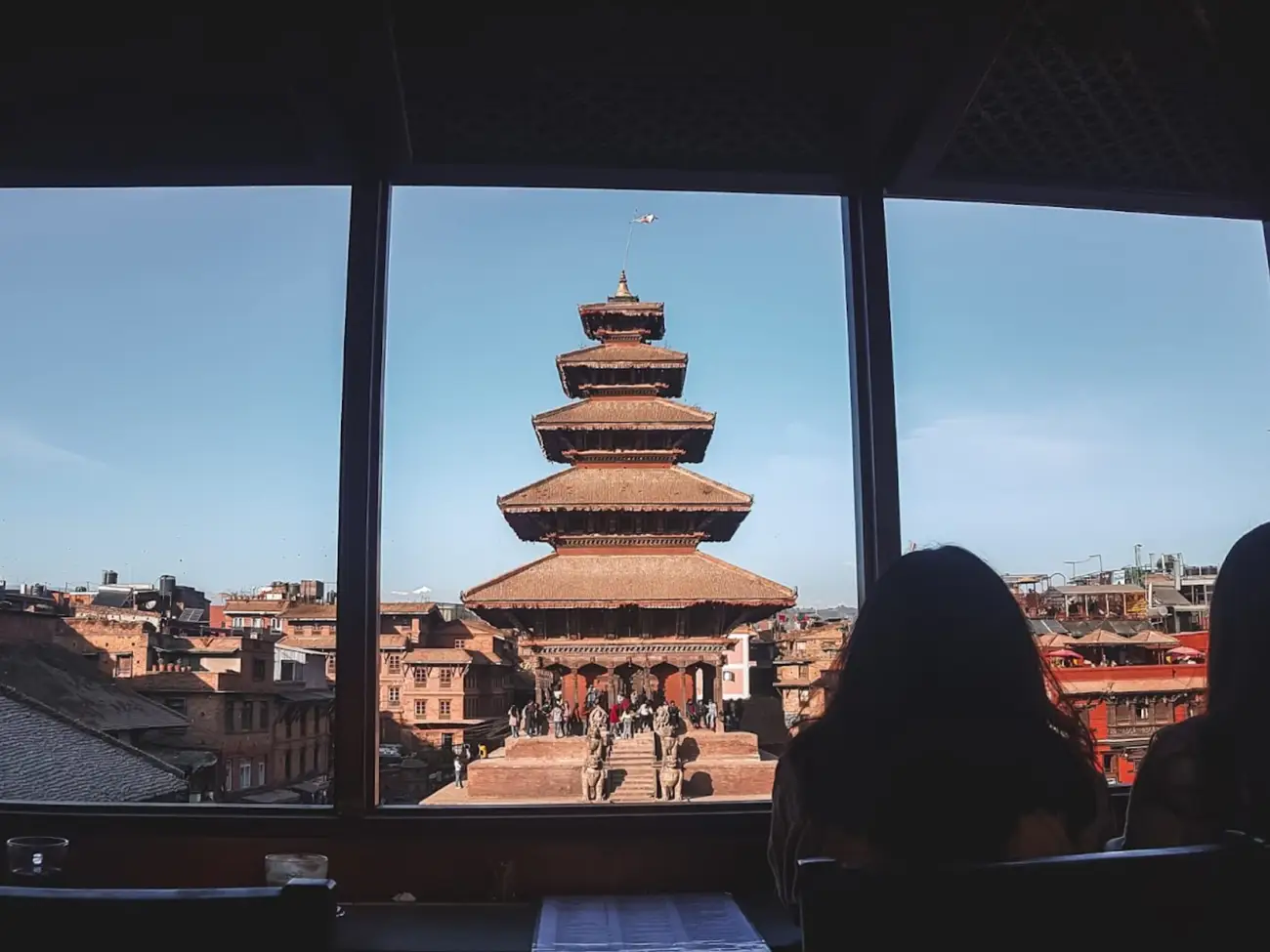
| Bhaktapur | 90 minutes | Durbar Square and the five-tier Nyatapola Temple at Taumadhi, then lunch |
| Changu Narayan | 25 minutes | The courtyard and its stone carvings, and nothing more |
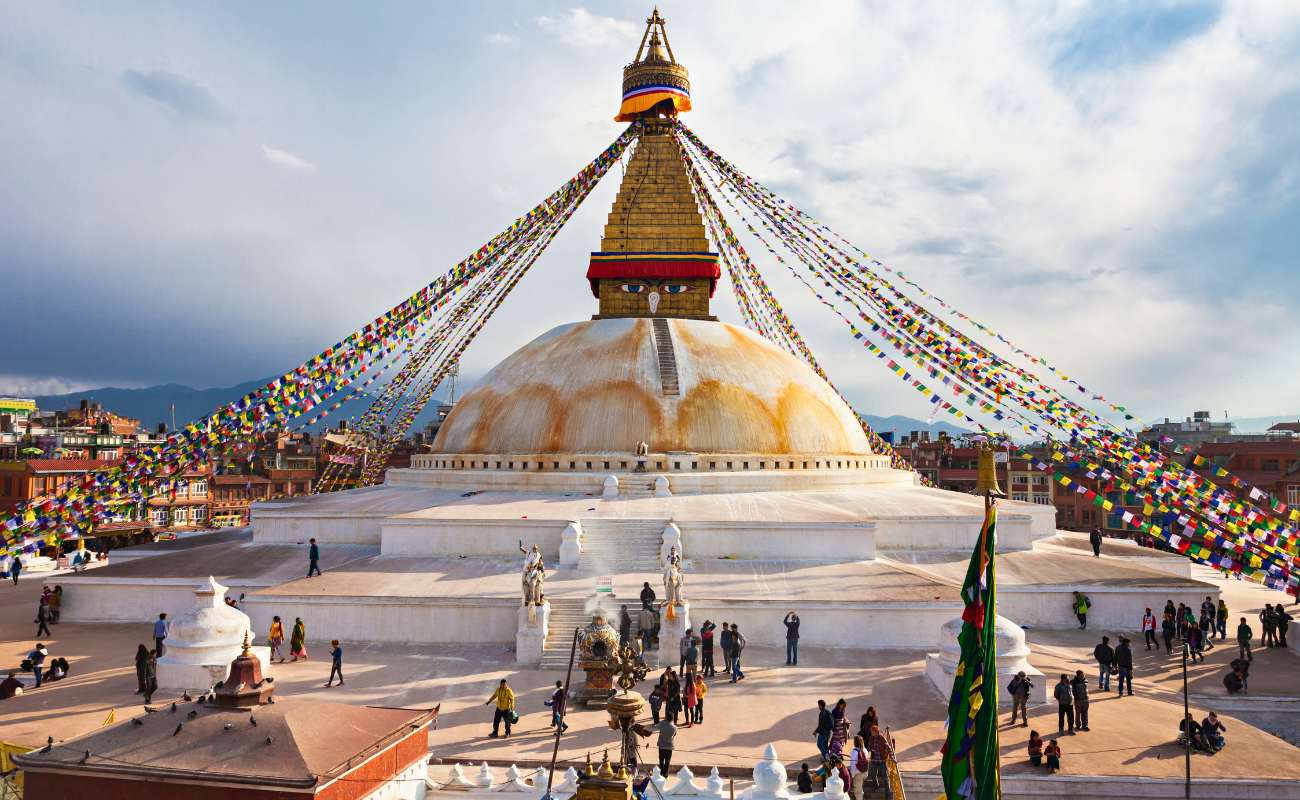
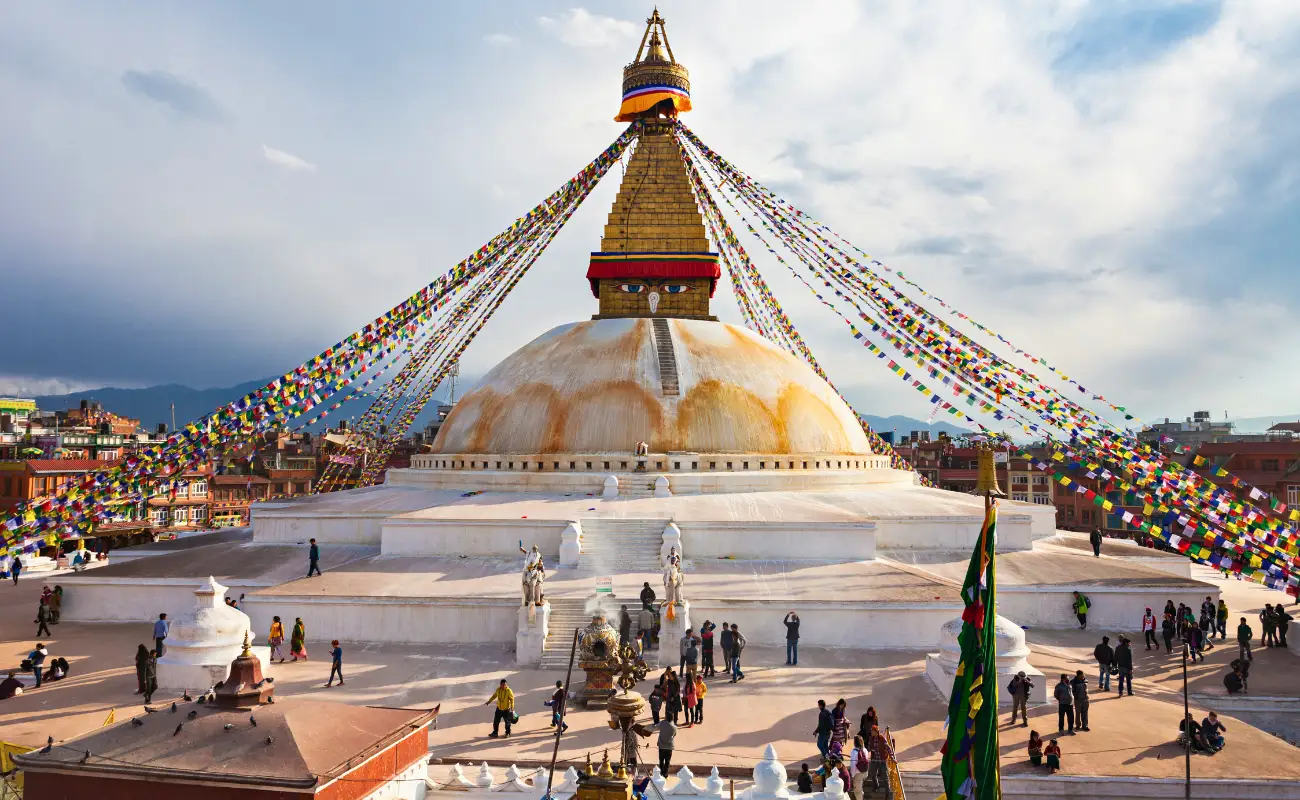
| Boudhanath | 30 minutes | One or two circuits of the stupa |
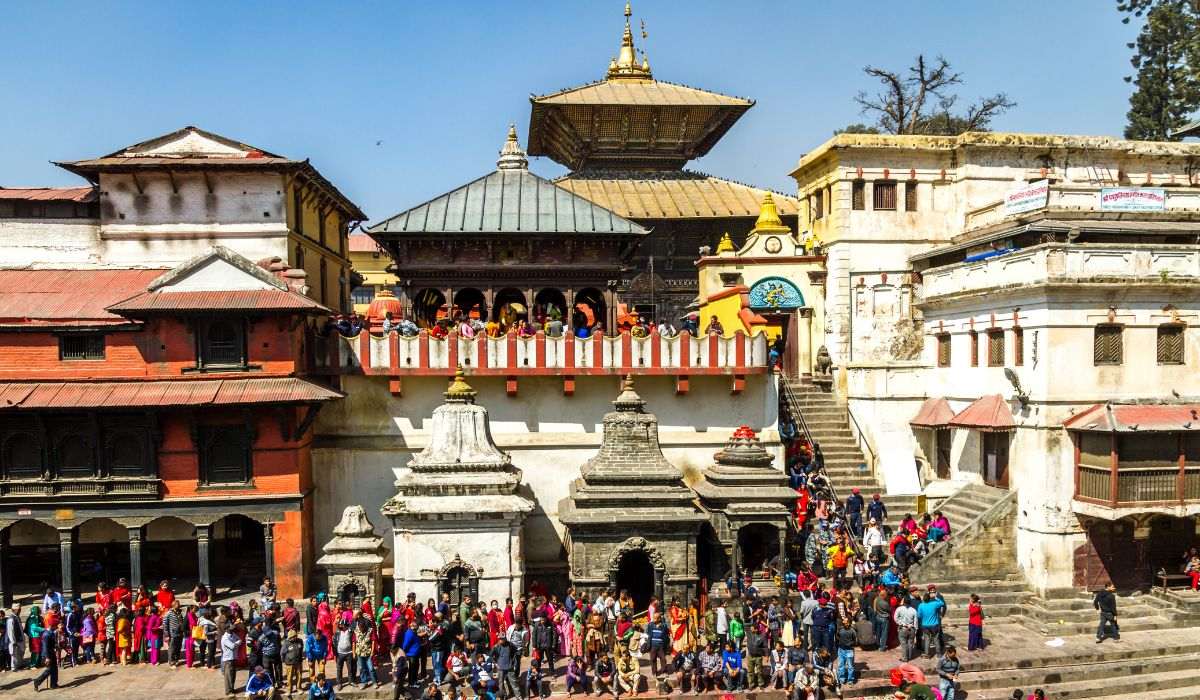
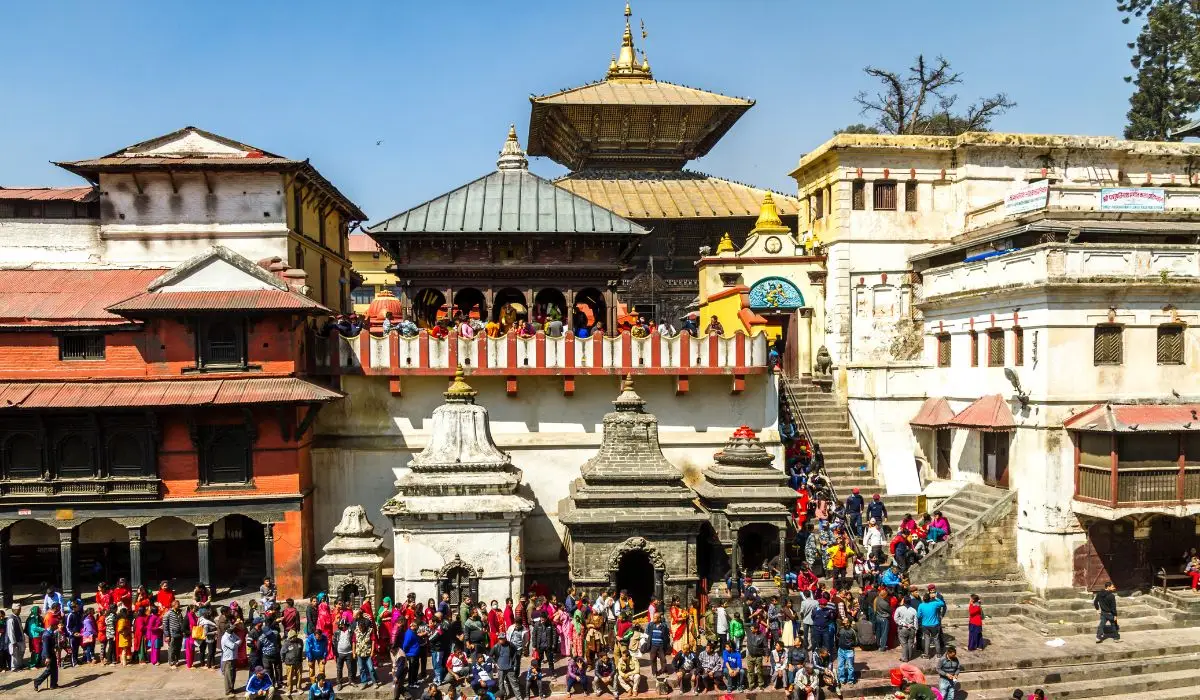
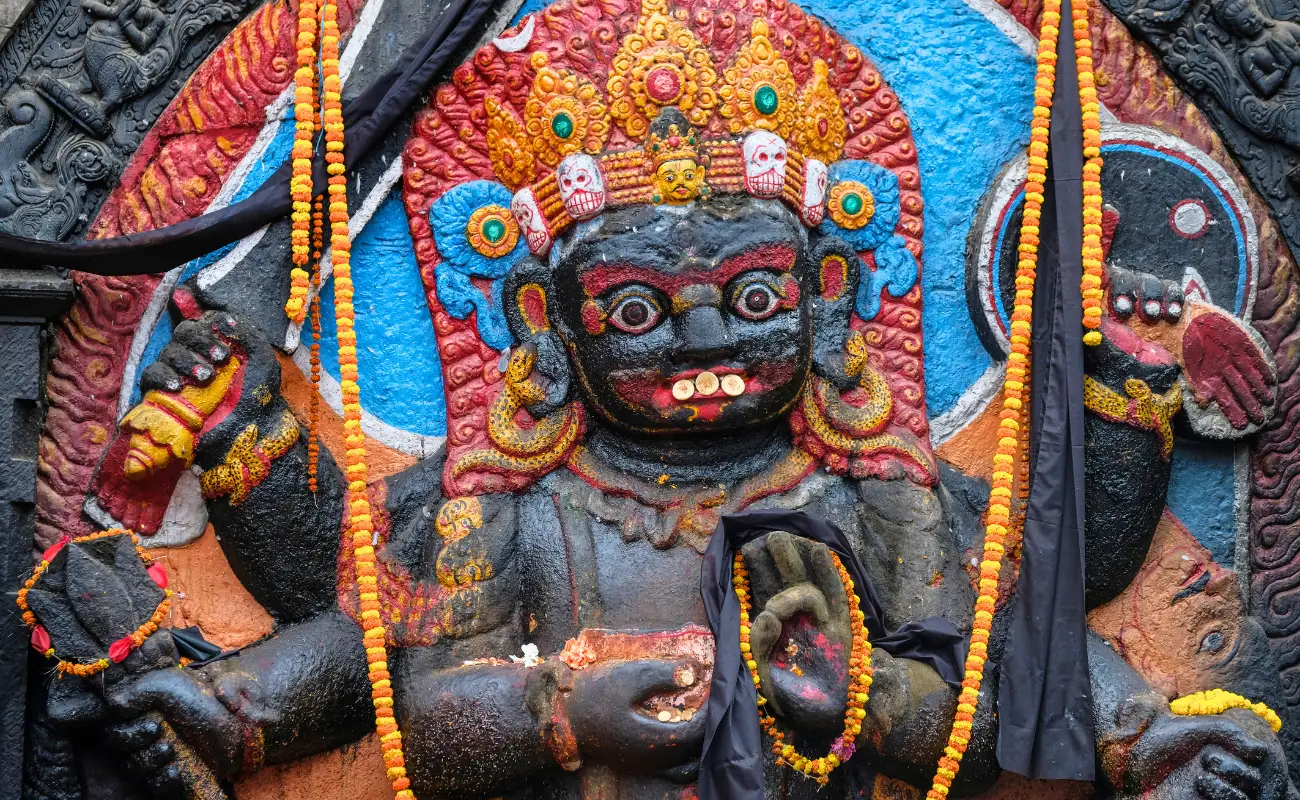
| Pashupatinath | 30 minutes | The grounds and the view over the Bagmati |
Bhaktapur gets the longest stop, and it deserves it. A ticket there is NPR 1,800 for foreign visitors, as listed by the Nepal Tourism Board in November 2026, though other sources give NPR 1,500 and NPR 2,000. It’s the one place on this route where you may wish you had a whole day.
What will you actually remember?
Most guests will remember the contrasts more than any single site. You’ll go from a hilltop stupa to palace courtyards, then to the stone guardians on the steps of Nyatapola, each pair said to be ten times stronger than the one below.
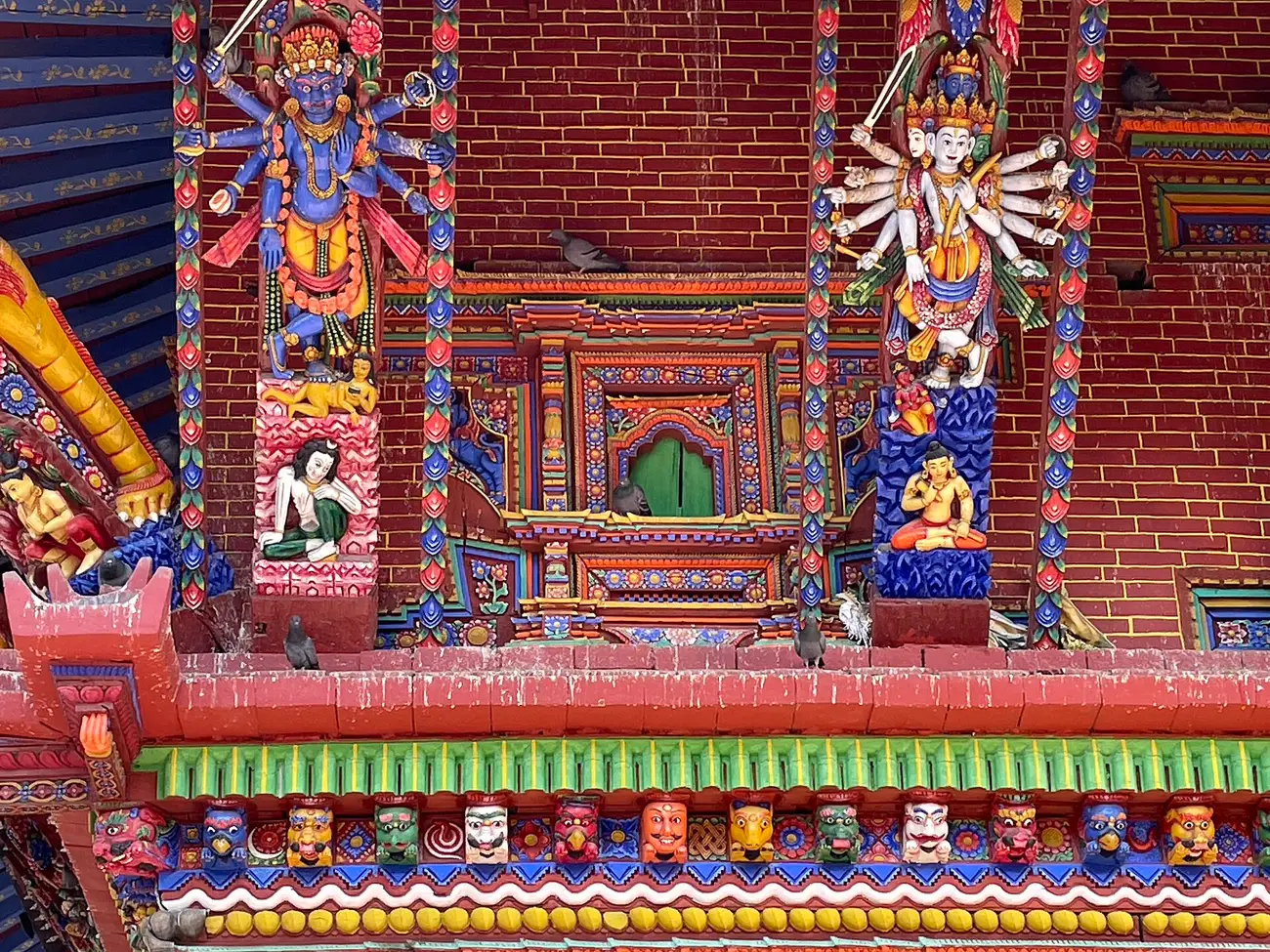
Changu Narayan comes next, with sculptures that one guide lists as Vishnu Vikrant and Vishworup, along with an inscribed pillar that the sources we read date to 464 CE. Then Boudhanath, where you join the clockwise walk around a stupa about 36 metres tall, and Pashupatinath, where the main temple is for Hindus only and everyone else walks the grounds. Do read the Kathmandu Valley entry fees if you qualify for a lower rate.
Where does lunch fall?
Lunch falls at Bhaktapur, around the end of your 90 minutes there, and it’s quick. It isn’t included in the price.
Bhaktapur is a good place to stop because it’s known for juju dhau, a thick buffalo-milk yoghurt set in clay pots. Bring a snack and water for the long afternoon, as the drive to the last stop can run late.
How does this compare with the two-day version?
The two-day version costs more in total but gives you about 2 to 3 more hours at the same seven sites, plus a proper lunch each day. The same entry fees apply to both.
| Point | This tour | Two-day version |
|---|---|---|
| Time | 9 to 11 hours | Two days of 6 to 7 hours |
| Pace | Fast | Relaxed |
| Lunch | Quick, at Bhaktapur | A proper stop each day |
| Best for | One free day | Anyone who has the time |
Is the seven-site day harder as a group?
Yes, because you can’t adjust it. A group tour is scheduled every day, leaves Thamel at 7 am and keeps to a fixed route and schedule. You can’t drop a site, stay longer at one or stop early, and if traffic eats into the plan, the whole group loses that time. In return, you pay less per person.
A private tour costs more, and it suits this long day better. It’s only your party, with hotel pick-up included, and you choose the start time. You can change the pace or drop a stop when you get tired. If a fixed day this long sounds hard, the two-day version also runs both ways.
What can go wrong, and how does the day change?
Traffic is what breaks this day, because every delay comes out of your time at the next stop. There’s no slack in the plan, so a 30-minute jam can cost you the whole of Changu Narayan.
- City traffic: the Kathmandu Post reported in June 2026 that much of the Ring Road is still unwidened. On a private tour, you can drop a stop on the day and keep more time at the others.
- Rain: monsoon normally runs from June to October, says the Foreign Office. Wet stone slows you down, and it’s the wrong season for a tight plan.
- Winter light: sunset is near 5:15 pm in late December, so the final stops happen in fading light.
- Festivals: one operator warns that festival days can close roads or fill the squares. Tell us your date when you ask.
- Pashupatinath timing: the temple trust’s published gate and aarti times conflict, so ask your guide on the day.
Don’t book a flight for the same evening. Your return could be 6 pm or later.