How far back does the valley’s history go?
The valley’s long run of dated records starts in 464 AD, with an inscription of the Licchavi king Manadeva I, according to the Library of Congress country study of Nepal. One older date is disputed. A statue of King Jayavarma, found at Maligaon in 1992, carries a date read as 184 or 185 AD, and some scholars read it as about 285 AD. Older periods are known mainly through legend and later chronicles.
ICOMOS, the heritage body that advises UNESCO, says the valley’s legendary and documented histories are hard to separate. It dates the first political establishment to about the start of the Christian era, under the Kirati. The valley itself is a high basin of roughly 25 km by 19 km in the Himalayan foothills.
What does the timeline look like?
The timeline below runs from the Kirati to the republic. Each date comes from a named source, and where sources differ we give both.
| Date | Event | Source |
|---|---|---|
| About the start of the Christian era | Kirati period, the first political establishment in the valley | ICOMOS |
| Late 4th century | Licchavi dynasty probably begins | Library of Congress |
| 464 | Earliest known Licchavi record, an inscription of Manadeva I | Library of Congress |
| End of 7th century | Patan believed to be a consolidated town | ICOMOS |
| 733 | Last known Licchavi inscription | Library of Congress |
| 879 | New Newari era begins, used to date religious donations | Library of Congress |
| 1200 to 1216 | Reign of Arimalla, the first king called Malla | Library of Congress |
| 1345 to 1346 | Sultan Shams ud-din Ilyas of Bengal raids the valley and destroys major shrines | Library of Congress |
| 1382 to 1395 | Jayasthitimalla holds full control. The first comprehensive law code in Nepal is ascribed to him | Library of Congress |
| About 1428 to 1482 | Yaksha Malla’s reign, the peak of the united Malla kingdom | Library of Congress |
| After 1482 | Valley splits into the rival kingdoms of Kathmandu, Patan and Bhaktapur | Library of Congress |
| 1559 | Dravya Shah founds the hill kingdom of Gorkha | Library of Congress |
| 1743 to 1775 | Reign of Prithvi Narayan Shah of Gorkha | Library of Congress |
| September 1768 | Gorkha troops enter Kathmandu. Dates differ, as explained below | Library of Congress, Wikipedia |
| 1769 | Bhaktapur falls and the conquest of the valley is complete | Library of Congress, ICOMOS |
| 1833 and 1934 | Two catastrophic earthquakes. Some monuments are rebuilt using much of the original material | ICOMOS |
| 1846 | Kot massacre. Jang Bahadur Rana becomes prime minister | Library of Congress |
| About 1846 to 1951 | Rana family holds a hereditary prime ministership | Wikipedia |
| 1979 | Seven monument zones inscribed by UNESCO | UNESCO |
| 2008 | Nepal becomes a federal republic | Wikipedia |
| April and May 2015 | Earthquakes damage all seven monument zones | World Heritage Committee decision, in a Department of Archaeology report |

Who were the Licchavis?
The Licchavis are the first dynasty in the valley known from a long run of dated written records. The Library of Congress study puts the first record in 464 and the last inscription in 733, and it says the dynasty probably began in the late 4th century.
Sources give different spans for the whole period. ICOMOS writes “3rd to 9th centuries”, while Wikipedia gives about 400 to 879 AD. The difference partly reflects how little is recorded near each end.
Wikipedia counts 190 Licchavi inscriptions and says Sanskrit was the court language, with Newar spoken locally. Wikipedia also says the dynasty came from the Licchavis of Vaishali, in present-day Bihar in India.
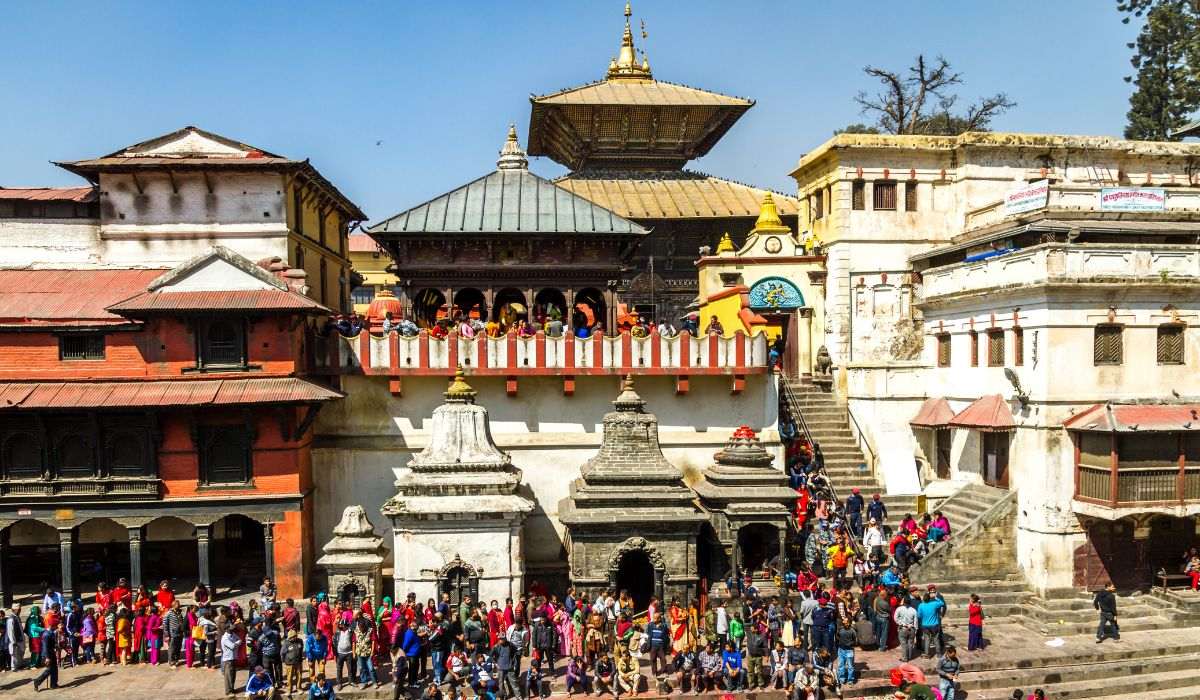
Some of what you’ll see on a tour is linked to this period. ICOMOS dates the Pashupati temple back to the Licchavi era, and the Department of Archaeology says Changu Narayan has origins in the 4th century, although the present temple dates from a rebuild after a fire in 1702.
When did Malla rule begin?
Malla rule is usually dated from about 1200, when Arimalla became the first king to use the name. The Library of Congress study gives his reign as 1200 to 1216, and it says “malla” is a Sanskrit term for a wrestler.
ICOMOS tells this differently. It describes a “dark period” after the 9th century that lasted until the 14th century and the arrival of the Mallas. We’ve followed the Library of Congress for the dates, because it names the rulers and years.
Between the Licchavis and the Mallas, the record is thin. The Library of Congress says documents from this time show a shift from Sanskrit towards early Newari, and that donations were dated by a new era starting in 879. The Kathmandu Post gives 880 AD for the start of Nepal Sambat, the calendar still used by Newars, and credits it to Shankhadhar Sakhwa.
The early Malla period wasn’t peaceful. The Library of Congress records a raid from Bengal in 1345 to 1346 that destroyed the major shrines. Unity returned under Jayasthitimalla, who held full control from 1382, and it peaked under Yaksha Malla, who built the Mul Chok palace courtyard in Bhaktapur in 1455.

How did the three kingdoms form?
The three kingdoms formed after Yaksha Malla’s death in 1482. His six sons first tried to rule together, according to the Library of Congress study, but the valley split into the rival states of Kathmandu, Patan and Bhaktapur. Ratnamalla seized Kathmandu in 1484 and ruled until 1520.
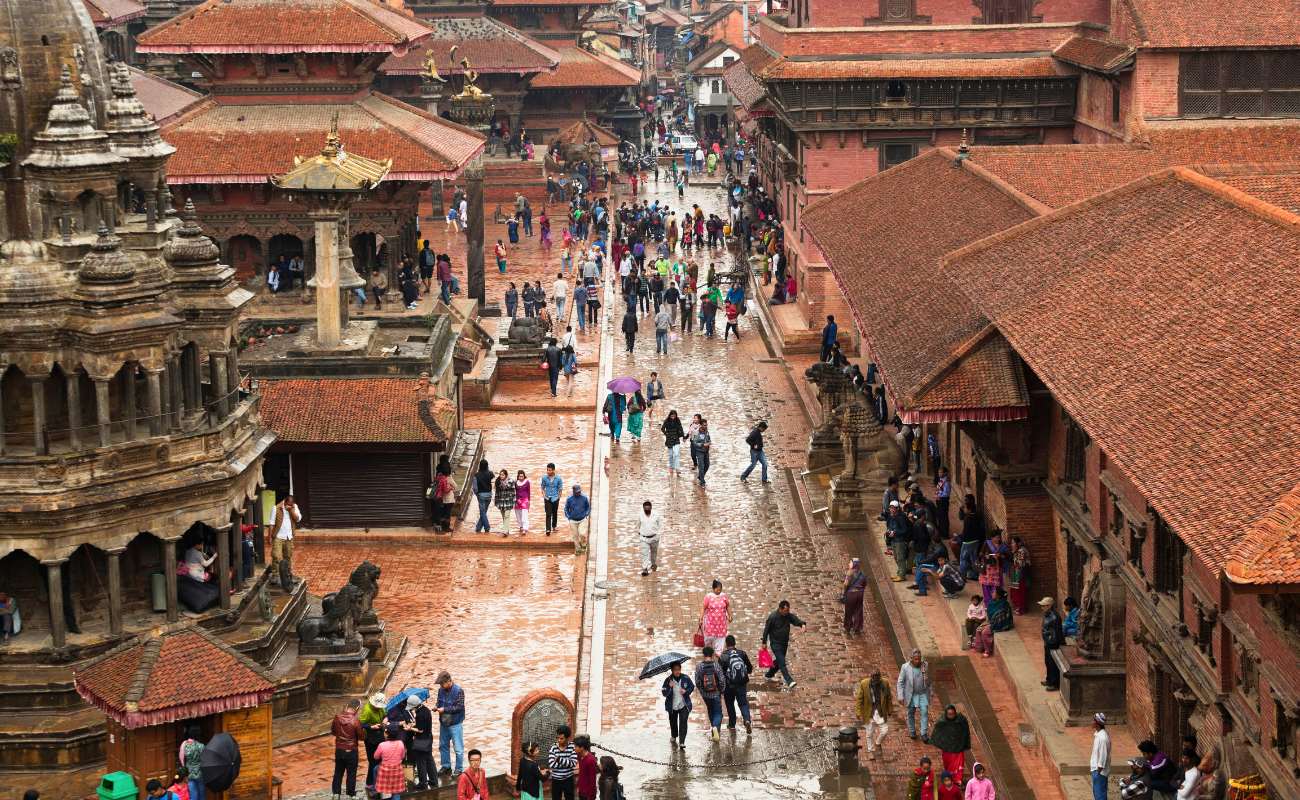
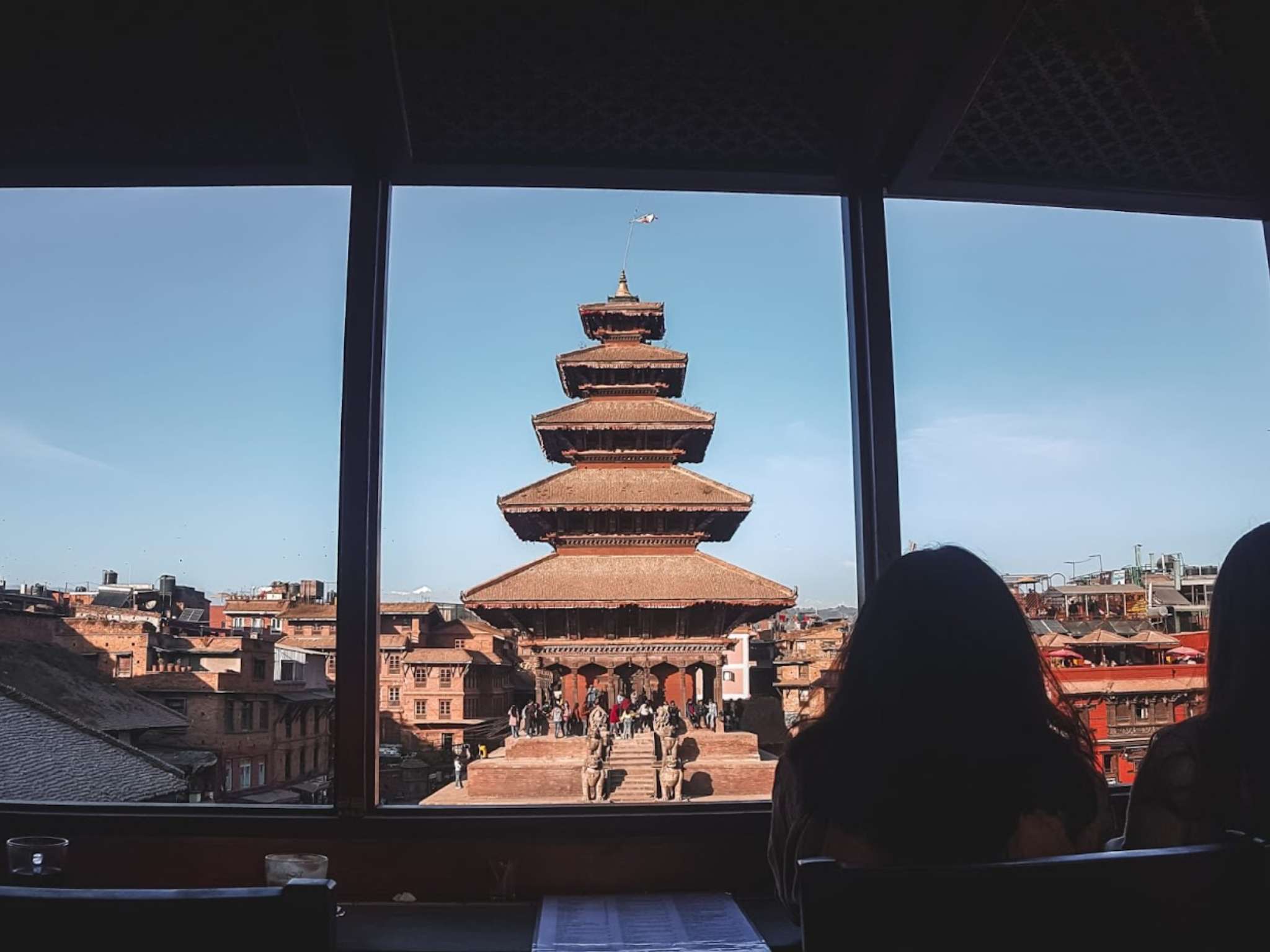
This rivalry is the reason there are three royal squares so close together. ICOMOS says the competing kingdoms pushed artistic expression to its highest point by the mid 18th century.
| Kingdom | Also called | Notable rulers named in sources | Square to visit today |
|---|---|---|---|
| Kathmandu | Kantipur, Yen | Ratnamalla, Pratap Malla, Jaya Prakash Malla | Kathmandu Durbar Square |
| Patan | Lalitpur, Yala | Siddhi Narasimha Malla, Yoganarendra Malla, Tej Narasimha | Patan Durbar Square |
| Bhaktapur | Bhadgaon, Khwopa | Bhupatindra Malla, Ranajit Malla | Bhaktapur Durbar Square |
The borders weren’t fixed. Sivasimhamalla conquered Patan in 1597 and joined it to Kathmandu, but the two separated again after his death. Wikipedia notes that the royal houses were related by marriage and still often at war.
Many of the dates you’ll see on the squares fall in this period. ICOMOS records that Kathmandu’s Taleju Bhawani Temple was begun in 1576, though other sources say 1549 or 1564. It also records that the Malla palace at Patan Durbar Square was built from 1668 to 1734, although other sources date its Sundari Chowk to 1627 or 1628. UNESCO puts the high point of the valley’s art and architecture between 1500 and 1800.
Who are the Newar people?
The Newars are the community most closely tied to the valley’s historic cities. Wikipedia describes them as the indigenous people of the Kathmandu Valley, with a shared language, Nepal Bhasa. A draft statement quoted by ICOMOS calls them the “multi-ethnic inhabitants of the valley”, and it credits them with highly developed craftsmanship.
Nepal Bhasa, also called Newar or Newari, is a Tibeto-Burman language. The Library of Congress study says it was in regular literary use by the 14th century, and that it appeared more often in official documents under Yaksha Malla.
The 2021 census counted 1,341,363 Newars in Nepal, according to Wikipedia. It reports 89.1 per cent as Hindu and 9.0 per cent as Buddhist, and notes that many Newars practise both traditions. UNESCO names the blending of Hinduism and Buddhism as part of why the valley is listed.
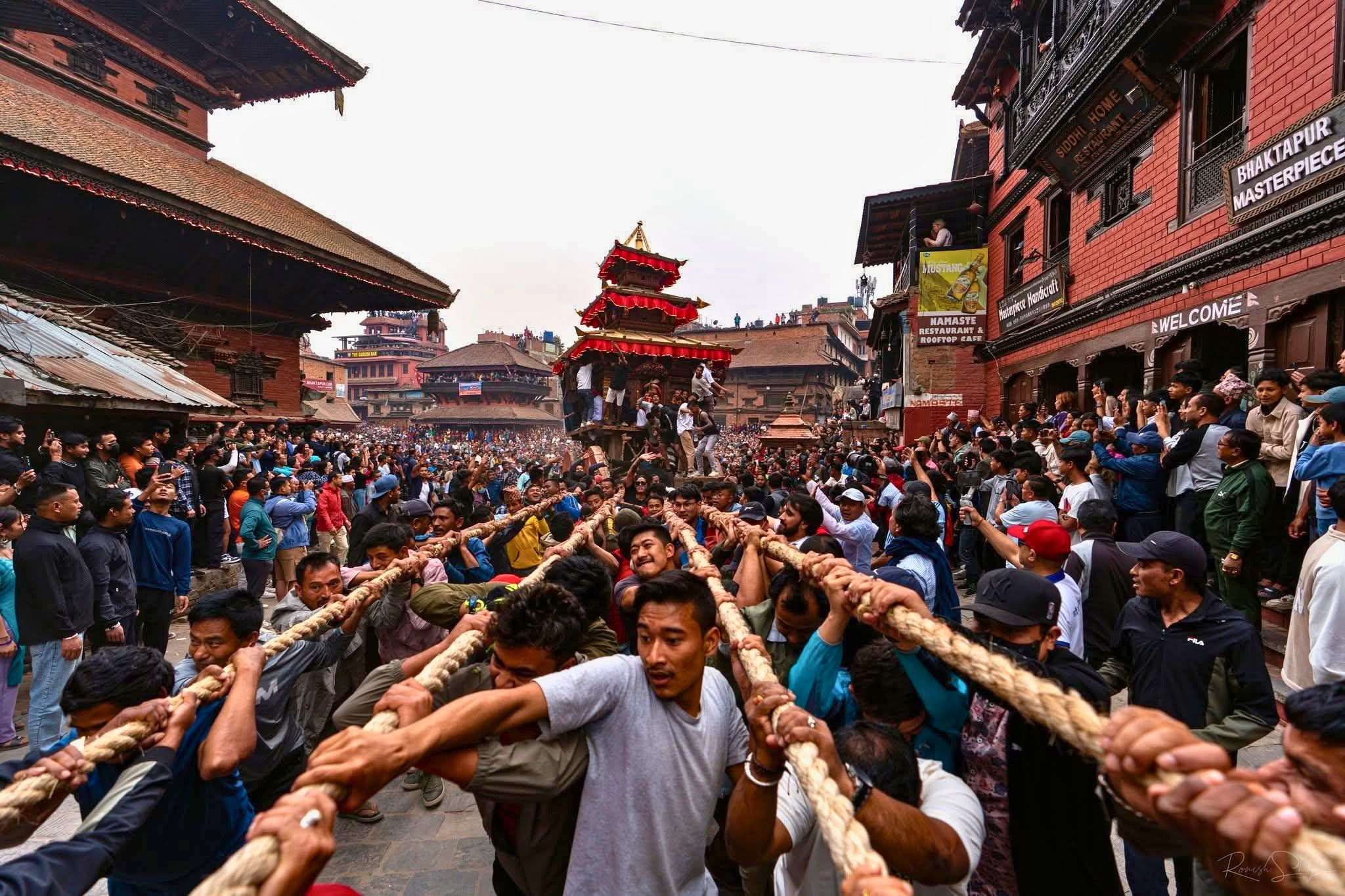
Newar life is still visible on a tour. The Bisket Jatra festival in Bhaktapur is rooted in the Newar community, and the Patan tour continues to the Newar villages of Bungamati and Khokana.

How did the Shah conquest happen?
The conquest took decades, and it ended with the fall of Kathmandu in 1768 and Bhaktapur in 1769. The Nepal Tourism Board calls these events the unification of Nepal, and ICOMOS says the valley was “conquered and united”. Both words are in use. Prithvi Narayan Shah ruled the hill state of Gorkha from 1743 to 1775, and Wikipedia says his campaign took Nuwakot in 1744. The Library of Congress study says Gorkha blockaded the valley and closed its trade routes, while rivalry among the three kings gave it openings.
Kirtipur, a town just outside Kathmandu, resisted several attacks. Wikipedia gives failed assaults in 1757 and 1764, and it says the town fell in about 1766 or 1767.
Sources disagree on the day Kathmandu fell. The Library of Congress gives 29 September 1768, while Wikipedia’s account, citing Nepali historian Baburam Acharya, gives 26 September. The Library of Congress says residents were celebrating a festival when the troops entered. It doesn’t name the festival, although tradition links the date to Indra Jatra, still held in Kathmandu each September.
Patan fell in 1768, according to Wikipedia. Bhaktapur followed in 1769, after nobles who had been bought off let the troops in, says the Library of Congress. ICOMOS gives 1769 as the date the valley was conquered and united, and says Shah made Kathmandu his royal city, with the Hanuman Dhoka Palace as his home.
What happened after 1769?
After 1769, Kathmandu stayed the capital of a much larger Nepal, ruled by the Shah dynasty until 2008. Real power moved to the Rana family after the Kot massacre of September 1846, when many nobles were killed at the palace armoury. The Library of Congress says Jang Bahadur Rana became prime minister the next day.
The Rana family held the prime ministership by inheritance until about 1951, according to Wikipedia, when the Shah monarchy returned to power. Nepal became a federal republic in 2008. Republic Day is still marked on 15 Jestha in the Nepali calendar.
Earthquakes have shaped the buildings as much as politics. ICOMOS records catastrophic quakes in 1833 and 1934. The most recent were in April and May 2015, and our Kathmandu earthquake restoration tracker follows the rebuilding.

How old is the Kasthamandap?
The Kasthamandap’s age is disputed, and the earthquake changed the debate. This timber shelter in Durbar Square is linked to the city’s name. Wikipedia’s Kathmandu Valley article gives 1596 under King Lakshmi Narasimha Malla, while its Kasthamandap article gives the 7th century, based on tests of the foundation soil. The Himalayan Times says the 8th century.
The Department of Archaeology’s report of 2017 says objects found in the excavation after the 2015 collapse suggest it may date from the 7th century, in the Licchavi era. Before that, it says, the building was assumed to date from around the 12th century.
The same report shows how the story of the valley is still being revised. The rebuilt Kasthamandap stands at the south-western corner of the palace square, which the Kathmandu half day tour visits.