This Patan day tour starts in the royal square of Lalitpur and continues south to Bungamati and Khokana, two Newar villages. It takes 6 to 7 hours, and only the first stop is a UNESCO monument zone.
What can you see south of Patan in a day?
You can see two working villages that most sightseeing days skip, once you’ve finished the square. Bungamati is known for wood carving and its Rato Machhindranath temple, and Khokana is known for mustard oil.
The villages are close together. One operator gives 20 to 30 minutes on foot between them, so you can walk that stretch if you prefer.
Why does this Patan day tour go in this order?
The tour runs from north to south, starting at the stop nearest Kathmandu. Patan is about 5 km from the city, according to one operator, and the villages lie beyond it.
Patan also needs the most attention, so it gets your morning energy. Lunch then falls in the villages, where the pace is slower. One operator rates this as the route with the most uneven walking, so the rougher ground comes when you’ve already had a good look at the main monuments.
What will you see at each stop?
You’ll see a royal square and museum, then a village still rebuilding, then an old farming and oil-pressing settlement.
Patan
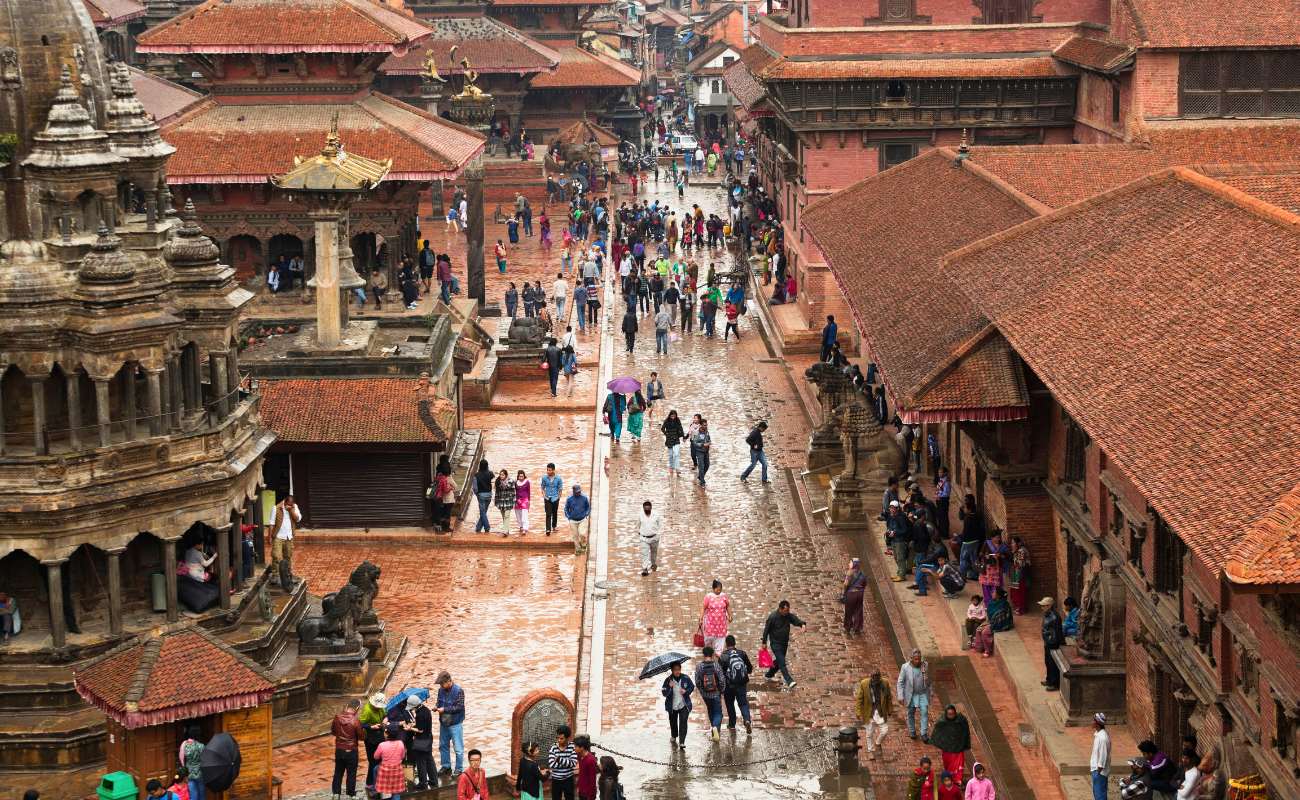
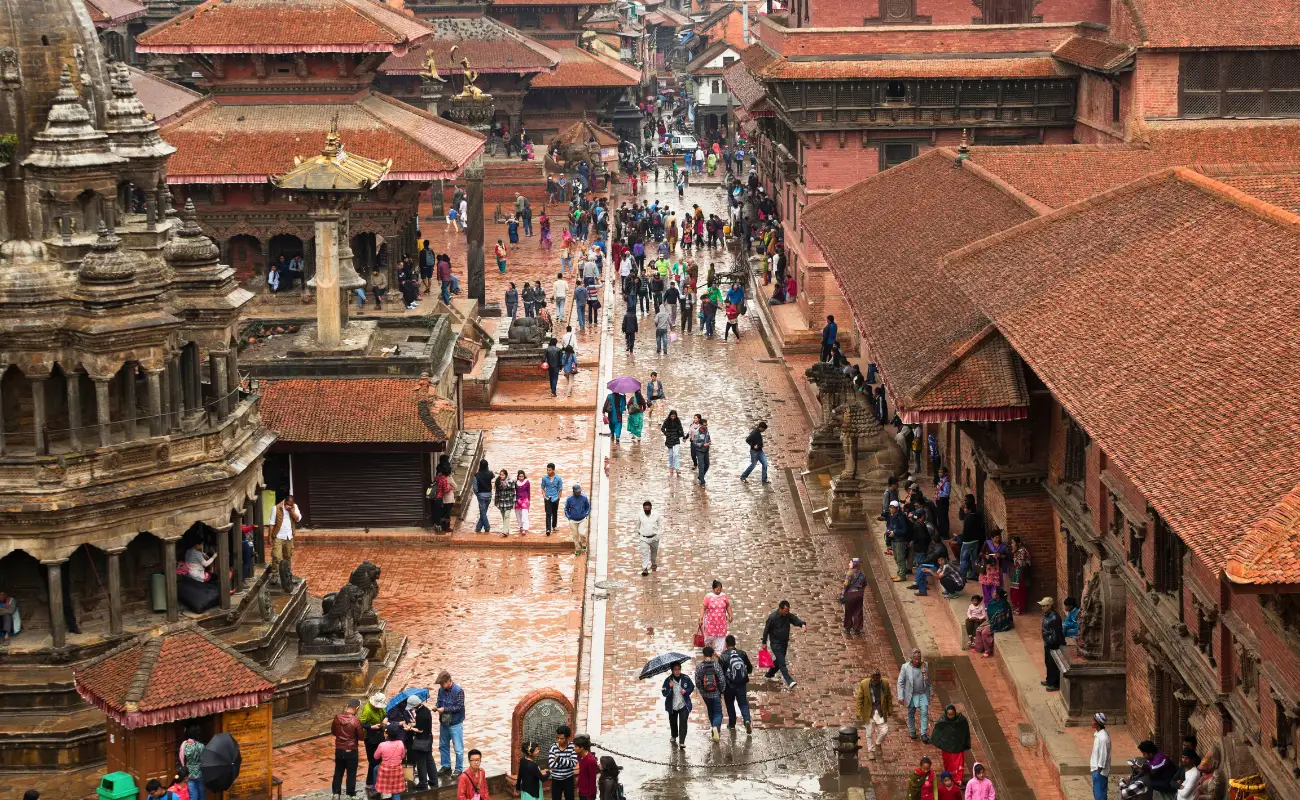
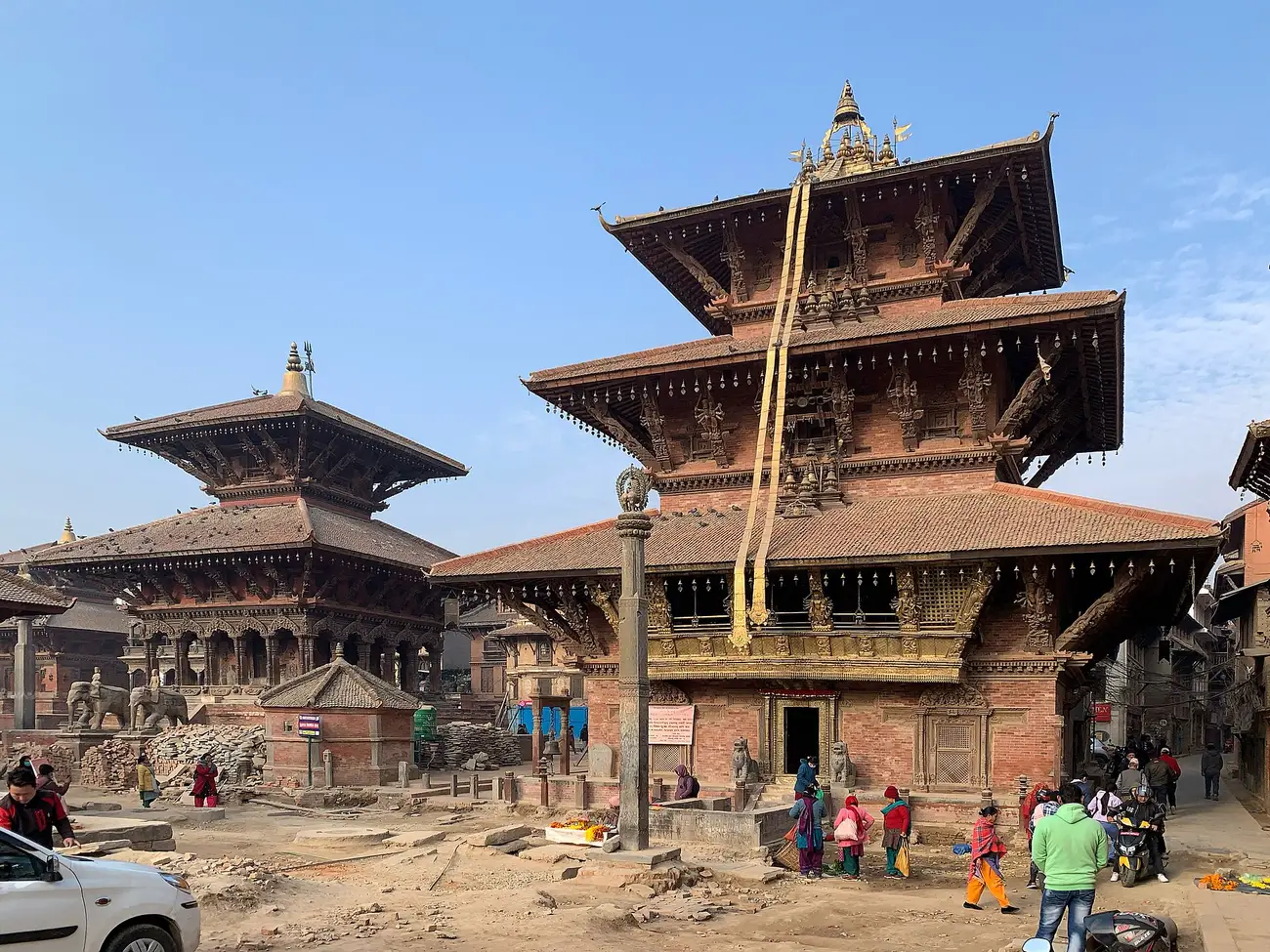
Temples fill the square, including the 17th-century Krishna Mandir with its 21 golden pinnacles. It was damaged in 2015 and restored in 2018. The Bhimsen Temple has three linked golden windows, though tourists can’t go inside.
The Patan Museum sits in Keshav Narayan Chowk, a former palace courtyard, and shows cast bronzes and gilt-copper work. The fee is NPR 1,000 for foreign visitors, as listed by the Nepal Tourism Board in November 2026, and it includes the museum. See the Patan Durbar Square guide for more.
Bungamati
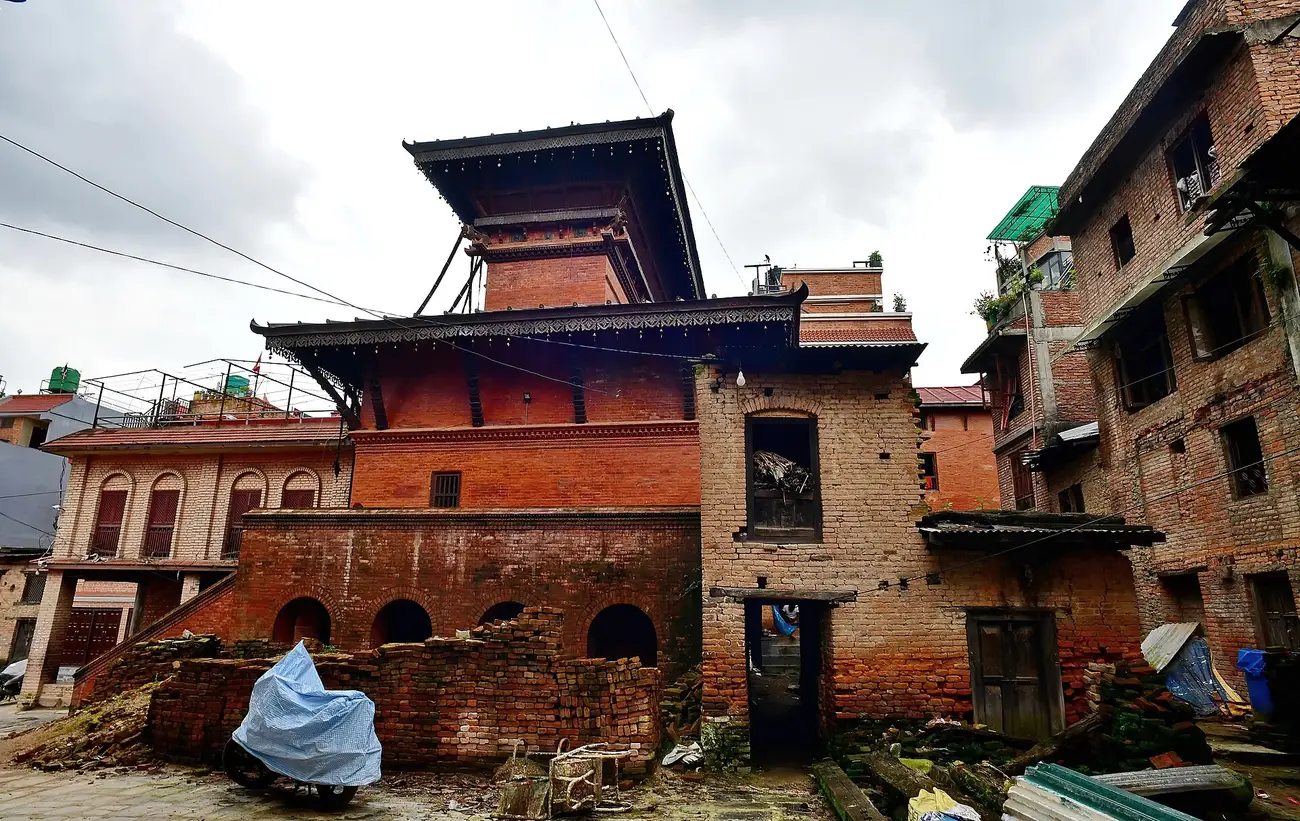
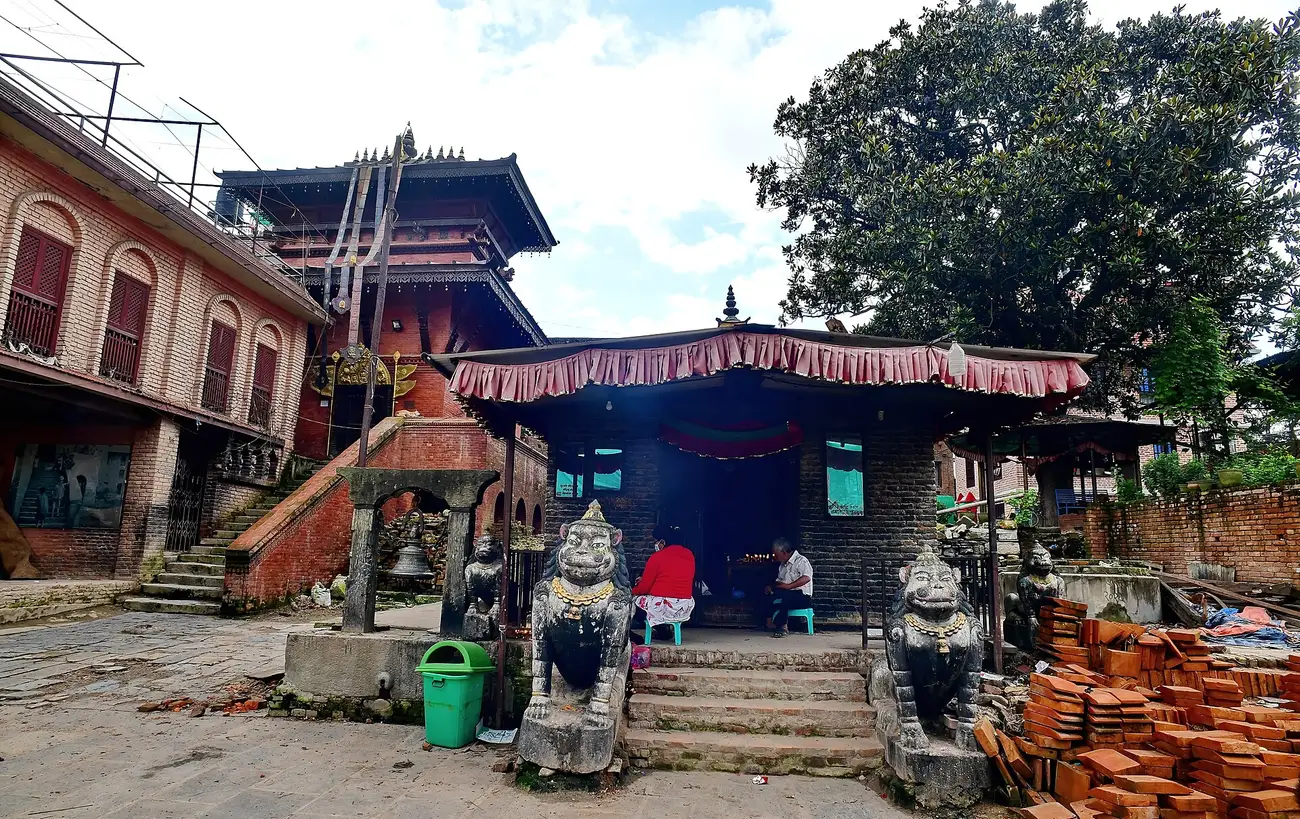
Bungamati is a Newar village whose main temple honours Rato Machhindranath, a rain deity who spends part of each year in Patan. A procession links the two towns each spring.
The 2015 earthquake destroyed the temple, and its rebuilding has taken about a decade. The deity went back inside in June 2025, when Diplomat Nepal reported the work had reached its final stage. A guide updated in October 2026 still lists it as under renovation. The Rising Nepal also reported in August 2026 that original foundation materials were replaced, which heritage campaigners have questioned. Our earthquake restoration guide has the wider picture.
Woodcarving shops line the streets, and you may see carvers at work. Karya Binayak, a Ganesh temple on a nearby hill, has valley views on clear days.
Khokana
Khokana is a village known for pressing mustard oil with a heavy wooden beam. It has been on Nepal’s tentative list for UNESCO since 1996, which isn’t the same as being listed.
Sources differ on how much of the oil trade survives. The Kathmandu Post said only three mills remained in 2022, with seed imported from India, then described mills every few hundred metres in 2024. Expect to see at least old brick houses, stone-paved lanes and ponds with stone taps. The Bijuli Ghar museum, marking one of the first homes in Nepal with electric light, was closed in both reports.
How does this compare with similar tours?
The closest alternative is the Kathmandu Valley day tour, which keeps Patan and replaces the villages with Bhaktapur.
| Tour | Time | After Patan | Best if |
|---|---|---|---|
| This tour | 6 to 7 hours | Bungamati, Khokana | You want village life as well as monuments |
| Kathmandu Valley day tour | 7 to 8 hours | Bhaktapur comes first | You want two royal cities |
| Kathmandu sightseeing tour | 6 to 7 hours | Patan can replace one stop | You want four UNESCO sites |
The honest downside is that the villages are less grand than a royal square. If you want monuments, you’ll get more of them on the other two tours.
Where does lunch fall?
Lunch falls in Khokana, and you pay for it yourself. The Kathmandu Post mentions small places there serving choila (spiced meat, here often duck or chicken) and other Newar dishes.
These are simple local eateries, so bring small notes. Tell your guide if you’d rather eat back in Patan or later in the city.
What can go wrong, and how does the day change?
Uneven ground and changing restoration work are the main surprises here. What you can enter at Bungamati may differ from what this page says, because sources don’t agree on where the temple stands today.
- Rain: the UK Foreign Office says monsoon normally runs from June to October. Village lanes get muddy, so a longer stop in Patan may suit you better.
- Festivals: the Rato Machhindranath procession and other festivals can close roads or fill the streets. Tell us your date when you ask.
- Closed sites: mills and small museums open when their owners or funds allow. Bijuli Ghar was closed in both Post reports.
- Traffic: Patan is close to Kathmandu, but the sources we read give no reliable car times for the village roads.
On a private tour, you can ask to spend longer in one place and skip another. Sikali temple, about 30 minutes to an hour on foot from Khokana depending on the Post report you read, is too far to add on this plan unless you drop something else.