When is the best light in Kathmandu?
Early morning and late afternoon are the usual choices, and day length changes the timing a lot. Sunrise comes about 1 hour 40 minutes later in late December than in June, while sunset comes about 1 hour 45 minutes earlier.
| Date | Sunrise | Sunset |
|---|---|---|
| 1 December 2026 | 6:37 am | 5:07 pm |
| 15 December 2026 | 6:47 am | 5:09 pm |
| 31 December 2026 | 6:54 am | 5:18 pm |
| 1 June 2027 | 5:09 am | 6:53 pm |
| 15 June 2027 | 5:08 am | 6:59 pm |
| 30 June 2027 | 5:12 am | 7:02 pm |
Sources disagree about the middle of the day. Roman Fox, a photographer who wrote a 2025 Kathmandu guide, says the midday sun isn’t harsh, so you can shoot from sunrise to sunset. The operator AFC Holidays favours sunrise and sunset, which it says soften temple textures. Test it yourself on your first day.
Season matters too. The best time to visit Kathmandu depends on what you want to shoot, so check the season before choosing a date.
Which light suits each site?
Published advice is thin, and it mostly comes from photographers and tour operators. No official source covers this, so treat these as starting points.
| Site | Time of day | Who says so |
|---|---|---|
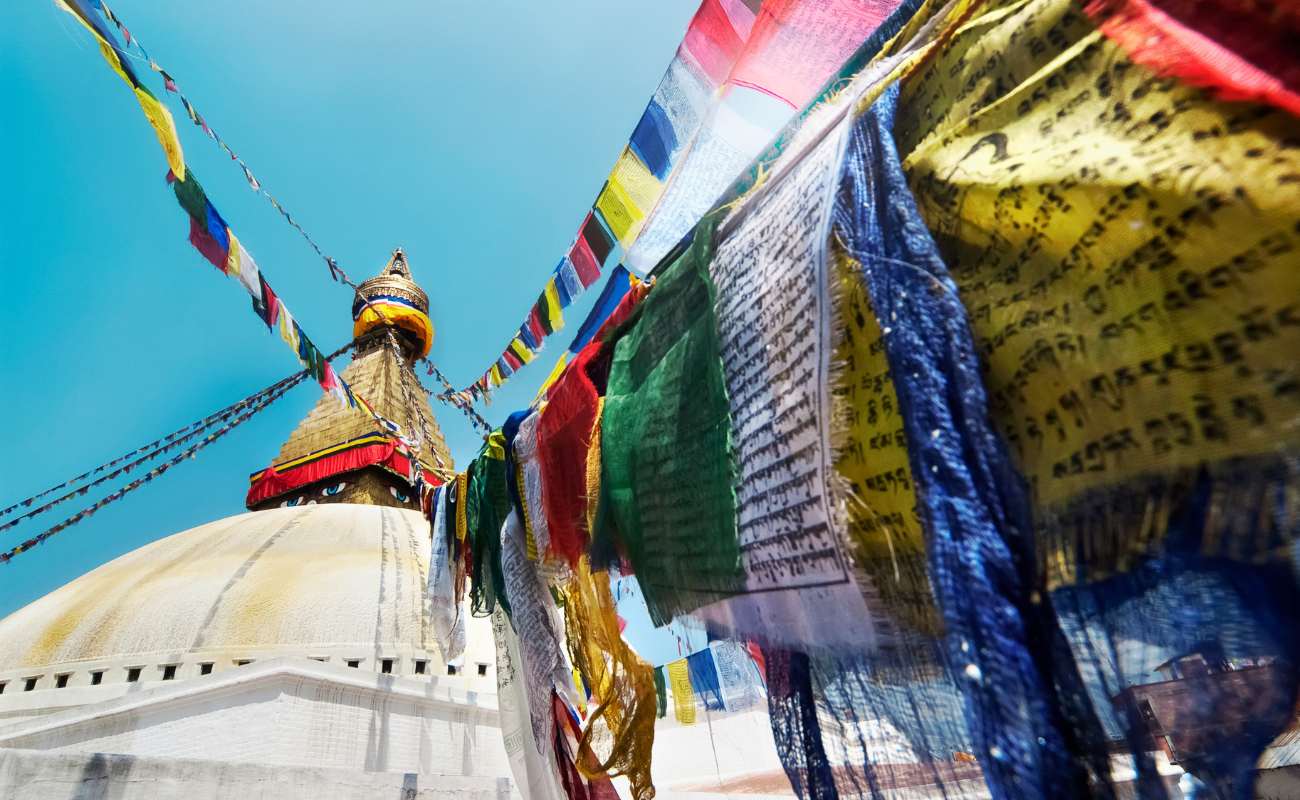
| Boudhanath | Late afternoon to dusk, with butter lamps after dark | Snow Cat Travel, Altitude Himalaya |
| Swayambhunath | Early morning for the gold stupa, or stay for golden hour | AFC Holidays for morning, Altitude Himalaya for sunset |
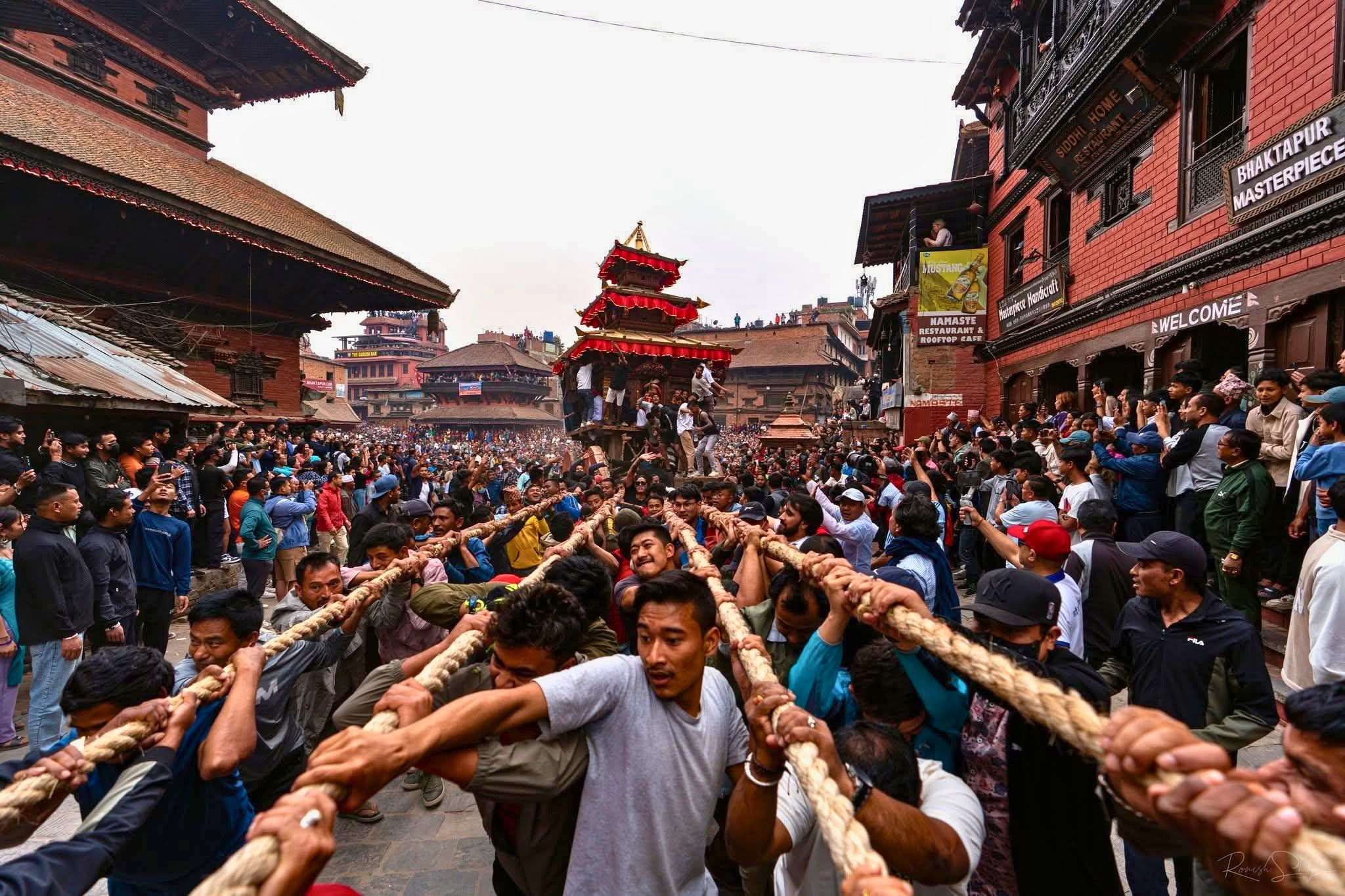
| Bhaktapur Durbar Square | Morning | Roman Fox, Altitude Himalaya |
| Kathmandu Durbar Square | Try several times of day, as the area is small | Roman Fox |
| Morning markets near Kathmandu Durbar Square | By about 7 am | Roman Fox |
| Patan Durbar Square | No light advice found | Altitude Himalaya suggests timing your visit for the Golden Temple’s rituals |
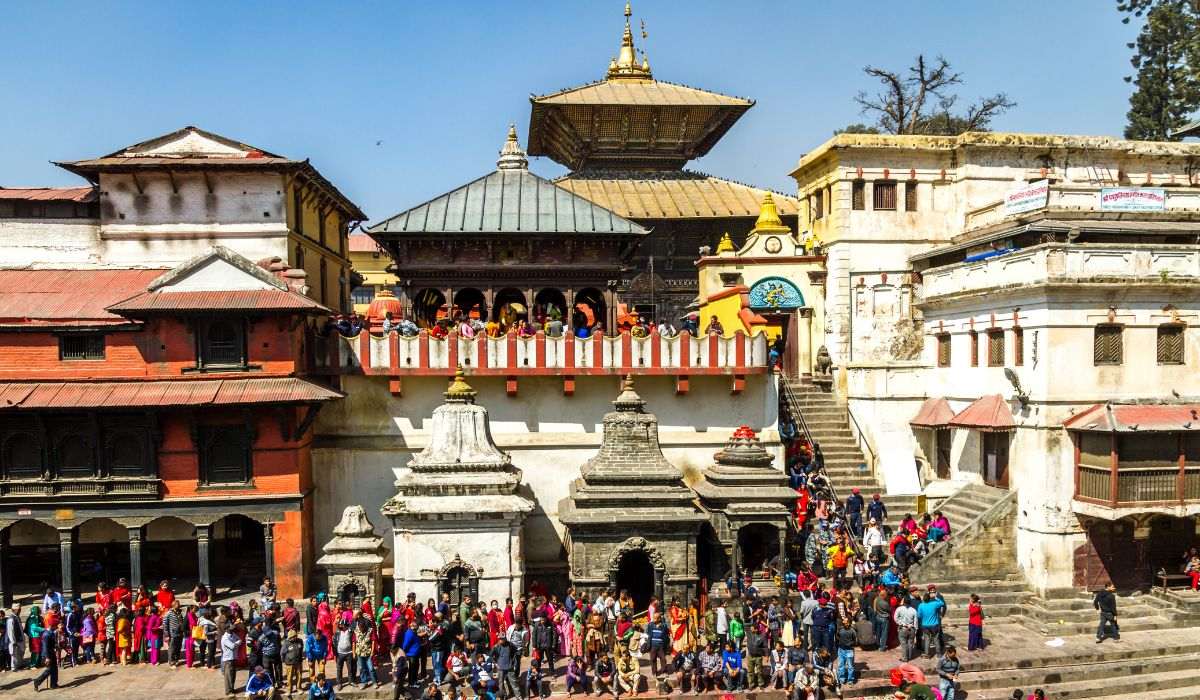
| Pashupatinath | No light advice found | AFC Holidays suggests the opposite bank for the temple’s tiers |
| Changu Narayan | No light advice found |
Boudhanath is a Buddhist stupa in the north-east of Kathmandu. Snow Cat Travel says late afternoon is when local Tibetans come for their daily prayers, so you get both people and low sun. Walk clockwise with everyone else, and don’t stop suddenly in the flow.
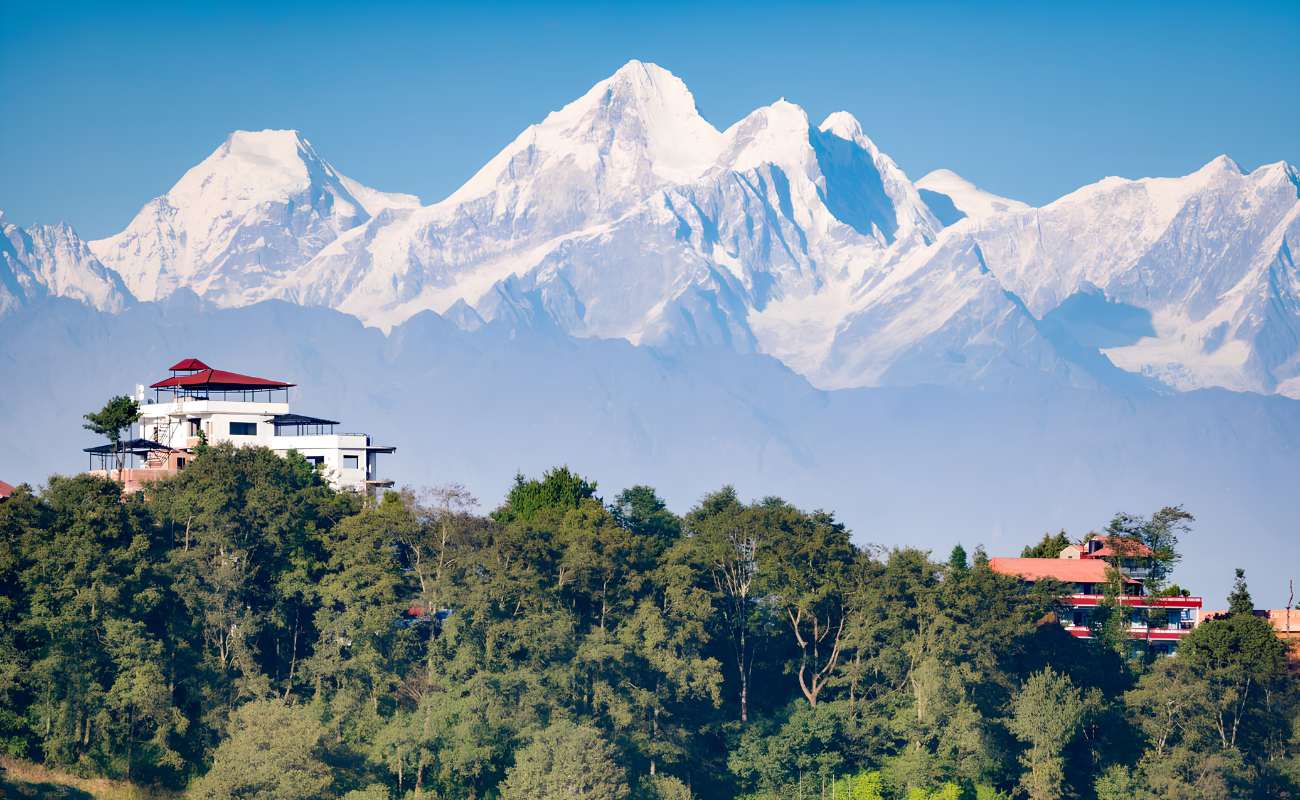
For mountain shots, the Nagarkot viewpoint is the obvious choice, but the views are never guaranteed. A sunrise there means a start well before dawn, so check the time for your date.

Where do cameras cost extra?
Only two museums show camera fees on the Nepal Tourism Board’s list, as of November 2026. The list shows none at the seven heritage sites themselves. Ask at each counter, because the board says its figures come from the departments that run each site and may change.
| Museum | Camera | Video camera | Note |
|---|---|---|---|
| National Museum, Chauni | NPR 100 | NPR 200 | Foreign visitor rate. Closed Tuesdays and public holidays, half day on Mondays |
| National Art Museum, Bhaktapur | NPR 50 | NPR 150 | Listed in the SAARC column. The foreign column shows no camera fee, so ask. Closed Tuesdays |
Your tour price doesn’t include entry fees or any camera charges, except that entry fees are part of the price on the luxury tour.
Who and what should you never photograph?
Some subjects are off limits, however good the shot looks. These rules come first, ahead of any light or composition advice.
- The Kumari: the Kumari is a young girl worshipped as a living goddess, and she lives at the Kumari Ghar beside Kathmandu Durbar Square. Don’t photograph or film her. Kathmandu.im says doing so is considered disrespectful, and that she may withdraw. Altitude Himalaya says photos and videos of her aren’t allowed. Two guides say the building and courtyard are generally fine when she isn’t there, but we couldn’t confirm an official rule, so ask first.
- Cremations and mourners: don’t photograph them, including from across the river with a long lens. Wego’s guide says the ghats aren’t a licence to photograph grieving families.
- Inside Pashupatinath’s main temple area: the Pashupati Area Development Trust issued a notice in 2023 banning photos and video there, with fines of NPR 500 to 2,000, according to Pardafas. Wego adds that photography is prohibited during religious ceremonies.
- Worshippers and priests: don’t photograph them without asking. Altitude Himalaya says to get permission from monks walking the stupa circuit and from sadhus (Hindu holy men).
- Military sites: Canada says photographing military installations, checkpoints and personnel is prohibited.

How should you ask to take someone’s photo?
Ask first, and accept the answer. Lift the camera slightly, make eye contact and wait. Roman Fox says most people he met were open to photos, but that a very slight head nod can mean yes, and it’s easy to misread if you’re new to Nepal. If it isn’t a clear yes, put the camera down.
Don’t take a picture during prayer or a ritual, even if someone agreed earlier. If you’ve taken a portrait, showing the person the picture is a simple courtesy. Read the Pashupatinath rules for non-Hindu visitors before you go there.
Can you fly a drone in Kathmandu?
Assume you can’t until you hold written approval. The Civil Aviation Authority of Nepal (CAAN) regulates drones, but its site failed a security check when we tried to open it in November 2026. We couldn’t read its rules directly, so what follows comes from secondary sources. Check caanepal.gov.np/drone yourself.
Alpine Law and Gadgetbyte agree on these points:
- Registration: CAAN registers drones and issues a Unique Identification Number. Alpine Law Associates, a Nepali law firm, says registration alone doesn’t authorise a flight.
- Categories: A under 250 g, B from 250 g to 2 kg, C from 2 kg to 25 kg, and D above 25 kg.
- Airports: a 5 km exclusion zone applies around airports. Check how close your site is to Tribhuvan International Airport.
- Foreign visitors: expect extra checks and several offices. Gadgetbyte names CAAN, the local government or CDO (Chief District Officer), and the Ministry of Home Affairs.
They disagree on the limits, so don’t rely on any one figure:
| Limit | Alpine Law Associates | Gadgetbyte | UAV Coach (older page) |
|---|---|---|---|
| Maximum height | 100 m | 120 m | 120 m |
| Distance from pilot | 300 m | 500 m | 500 m |
| Distance kept clear | 30 m from other people | 50 m from people, vehicles and buildings | 50 m from vehicles and structures |
Heritage sites are the main concern. Gadgetbyte lists Swayambhunath, Pashupatinath, Boudhanath and the Durbar Squares as restricted. Alpine Law says the rules contain no permanent list of sensitive sites, and that heritage areas may carry their own restrictions. It also reports drone seizures by Nepal Police and arrests after a July 2025 crash near the Parliament building.

Which of our tours suits photographers?
A private tour gives you the most control over light. It’s only your party, and the pace and site order can change. A group tour costs less, but its times are fixed, so you get the light the schedule gives you. We don’t list a specialist photo tour, so you won’t have a professional photographer teaching you.
These tours fit best:
- Nagarkot Sunrise and Bhaktapur, 6 to 8 hours: dawn at the viewpoint, then morning in Bhaktapur. It also runs as a daily group tour, with hotel pick-up included.
- Pashupatinath and Boudhanath at Dusk, 4 to 5 hours: late light at Boudhanath, then evening at Pashupatinath, where the camera mostly stays down.
- Kathmandu Valley Day Tour, 7 to 8 hours: Bhaktapur and Patan for carved wood and brick.
When you ask about a tour, tell us the light you want and the sites that matter most. We’ll reply with a price and a start time.